The Line That Ran Towards the Sea
那条开往海边的铁路
Taiping's first railway was built for tin, not sightseeing. Its vanished route still tells us what moved the town.
太平最早的铁路不是为观光而建,而是为了运锡。铁轨消失了,留下的却是这座城如何运转的故事。
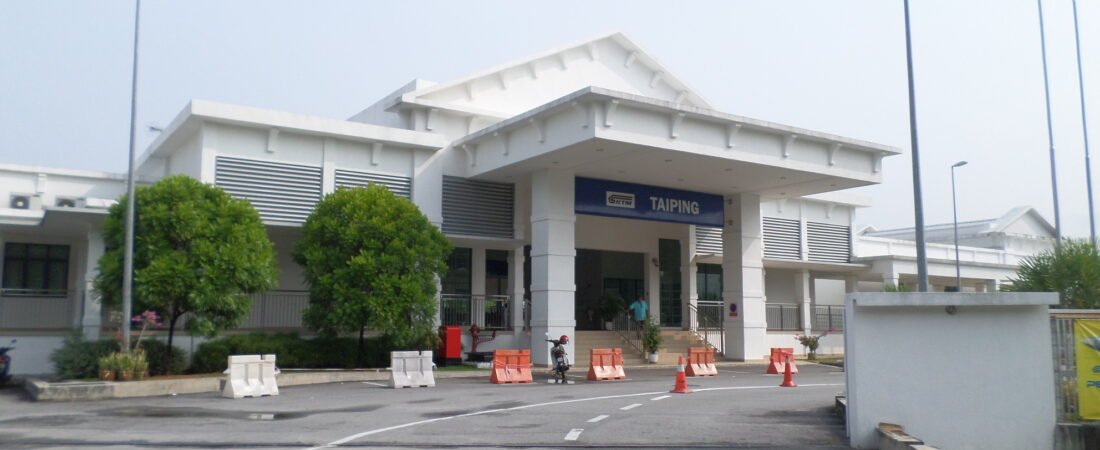
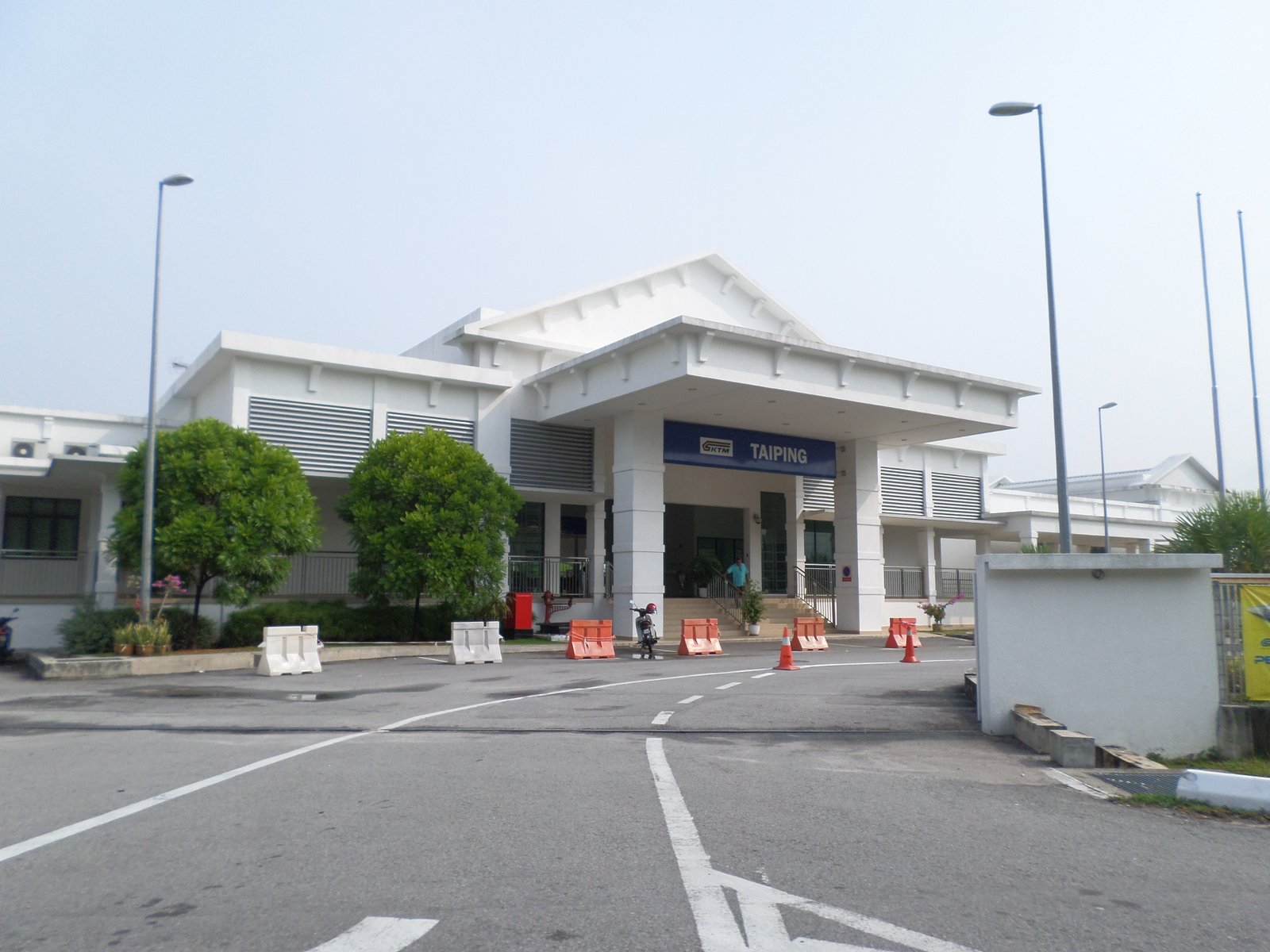
There is a railway station in Taiping today, and there is the railway station in Taiping's history. They are not quite the same story. A visitor stepping off a modern train arrives in a town whose earliest railway did not aim for another big city. It headed west, towards a small port and the sea.
On 1 June 1885, the Taiping–Port Weld line opened. Port Weld is the place we now call Kuala Sepetang. The track was roughly thirteen kilometres long. Its principal job was to carry tin ore from the Larut mining district to the coastal port. History remembers the locomotive. Someone had first to dig the tin, load it, maintain the equipment and handle what arrived at the other end.
The Museum Volunteers' historical account describes a line that also carried passengers, workers and mangrove timber. It was not just an industrial conveyor belt. Picture the timetable as an economic map. The mine needed the port, the port needed people and supplies, and the people needed a way through the district. A short railway could tie together lives that were not short or simple at all.
Tourism Malaysia notes that the original Taiping station stood where King Edward VII Primary School is now. The railway to Port Weld eventually disappeared. The modern station and the old surviving railway heritage belong to different phases of Taiping's transport history. That distinction matters. Otherwise an old photograph of a station can quietly become the wrong station, in the wrong year, with nobody noticing.
The name Kuala Sepetang now brings other pictures to mind, including mangroves, fishing boats and charcoal kilns. The old rail story reminds us that places change trades and purposes. A port that once mattered to an export economy is not frozen in the year of a colonial map. People find other ways to make a living. Visitors sometimes arrive looking for history, while local life carries on without asking for a heritage label.
So perhaps the best way to think about the first railway is not as a trophy in a contest of 'firsts'. It was a practical connection between work inland and work by the water. The rails have gone, but the reason for laying them explains a good deal about the town. If you travel from Taiping towards Kuala Sepetang today, you are moving through a much longer story than thirteen kilometres.
Published 17 October 2026
Coming to Taiping to explore the town's railway history? You can see Sojourn's rooms or send an advance direct enquiry. Rooms and rates · Book Direct — advance enquiry
An advance direct enquiry is non-binding. It does not reserve, hold or guarantee a room until Sojourn confirms availability.
Sources and image credit
Tourism Malaysia — Taiping heritage trail and first railway station site · Museum Volunteers, JMM — railway opened 1885, Port Weld, labour and cargo · Perak district history — Taiping and Larut’s tin economy · Photo: Sojourn website media library (date and creator unverified).