The Shopfront Gets the Photograph
拍照只拍店面,楼上怎么办
Old Taiping shophouses had shops below and living rooms above. A street photograph usually forgets the second half.
太平旧店屋楼下做生意,楼上过日子。街景照片常常忘了后面那一半。
The street photograph usually begins at eye level. There is a signboard, a doorway, perhaps a row of chairs under the five-foot way. Above them, a second storey quietly slips out of the frame. Taiping's old shophouses were not built simply to look handsome from the pavement. For many of their early occupants, the shop was downstairs and the home was upstairs. The building had to earn a living and accommodate one at the same time.
PLANMalaysia's account of Taiping describes two-storey shophouses built mainly between 1880 and 1940. Timber shutters, air vents and the familiar sheltered walkway were part of their character. These details were not all ornamental flourishes. Shade matters on a hot day; ventilation matters in a tropical town. A shutter has work to do even when no one is taking its photograph. Architectural history becomes more interesting when the building is allowed to be practical.
Think what a staircase does in that arrangement. A few steps separate the public business of selling from the private business of living. People could be keeping accounts downstairs while a household had its own concerns above. Meals, rest, children and visitors never fitted neatly inside the word 'heritage'. Nor did repairs to a leaking roof. Today's visitor can admire a façade without knowing anything about the obligations that came with the rooms behind it.
A University of Malaya study published in 2017 examined what gives Taiping shophouses their distinctive character. It considered both physical details and less tangible qualities, and found an intangible element especially important to the people surveyed. That is a useful warning against confusing preservation with fresh paint alone. A handsome front wall does not tell you whether the building can still be used, or whether the people who work there can afford to keep it in order.
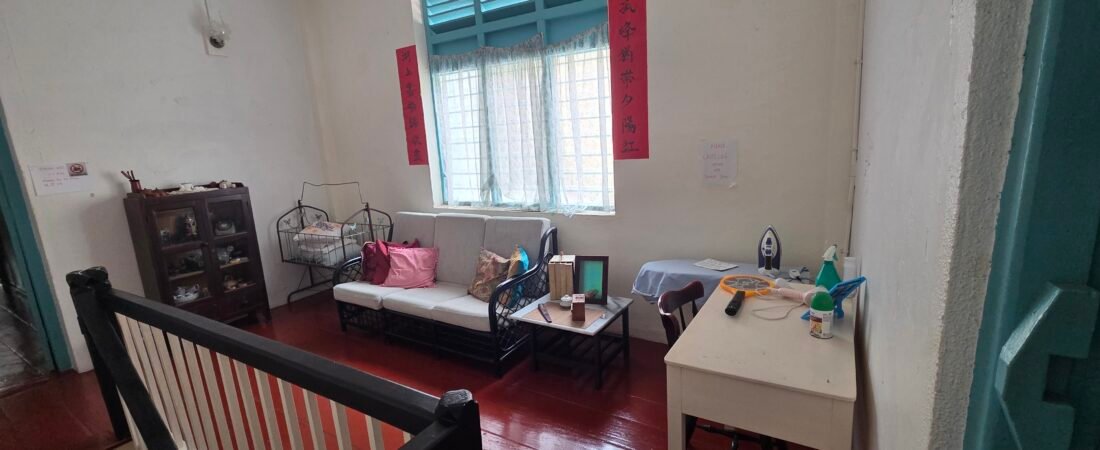
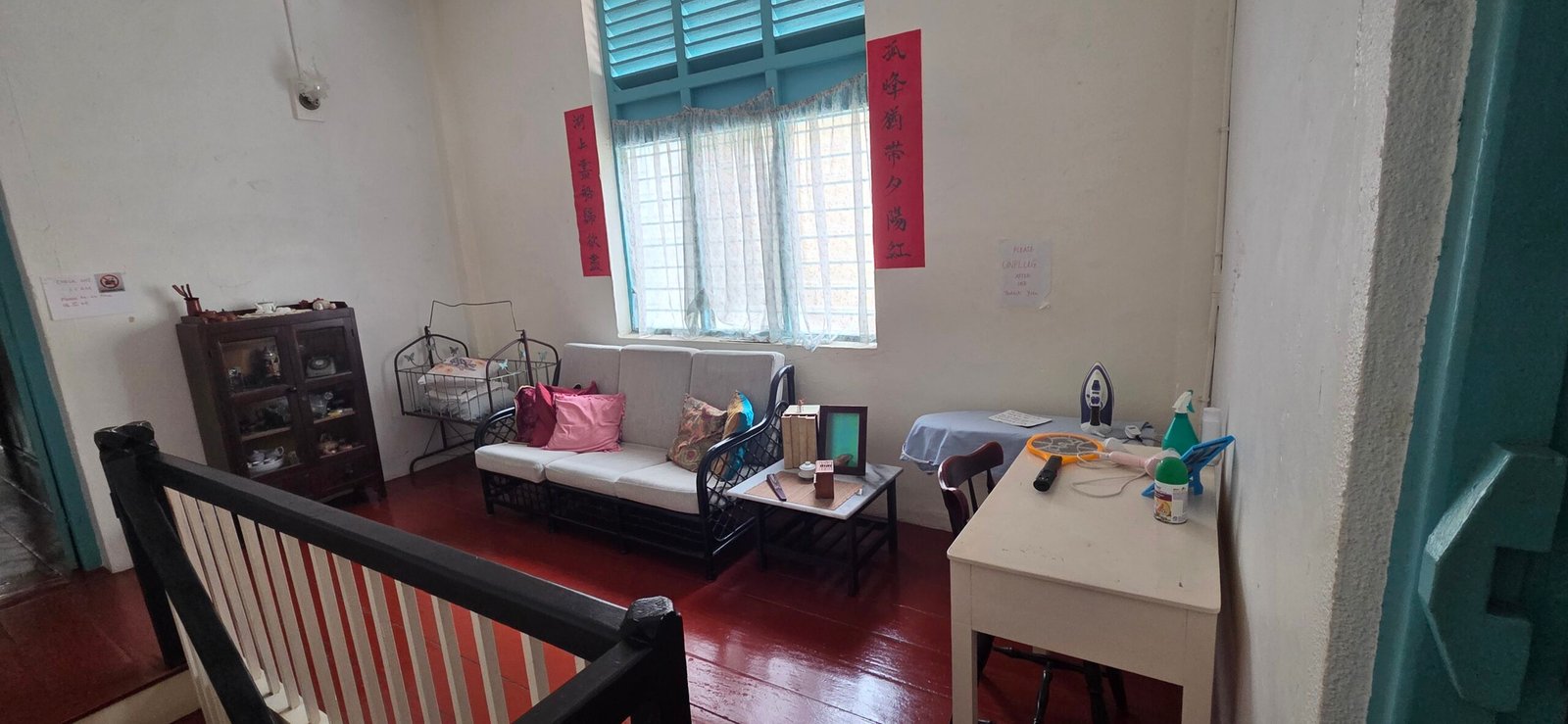
Old upper floors need not keep their original use forever. Some may become workspaces, guest rooms or places to sit, provided any change respects the structure, safety and the people using it. Others may remain private. At Sojourn, the upstairs shared lounge is simply a good reminder that a place has more than a ground-floor story. A chair by an upstairs window belongs to the life of a building, not merely to its photograph. Not every room needs to become a museum exhibit.
So when looking down one of Taiping's older streets, raise your eyes above the shop signs. Notice the windows and the rooms they suggest. They were part of an everyday arrangement that was complicated, economical and sometimes no doubt inconvenient. The shopfront will still get most of the photographs. The staircase is unlikely to complain.
Published 12 October 2026
Planning a Taiping stay? See Sojourn rooms or send a direct enquiry.
A direct enquiry is non-binding. No room is reserved, held or guaranteed until Sojourn confirms availability.
Sources and photograph
PLANMalaysia Taiping: Life and Soul; University of Malaya 2017 Taiping shophouse research; Sojourn-owned upstairs photograph.
PLANMalaysia — Taiping: Life and Soul · University of Malaya shophouse study (2017)
← Previous← Sebelumnya← 上一篇← 上一篇Next →Seterusnya →下一篇 →下一篇 →