Essays and small stories from Taiping.
Personal essays, local observations and small stories from Taiping — written to be read slowly, and kept separate from News & Events.
Sort notes
-
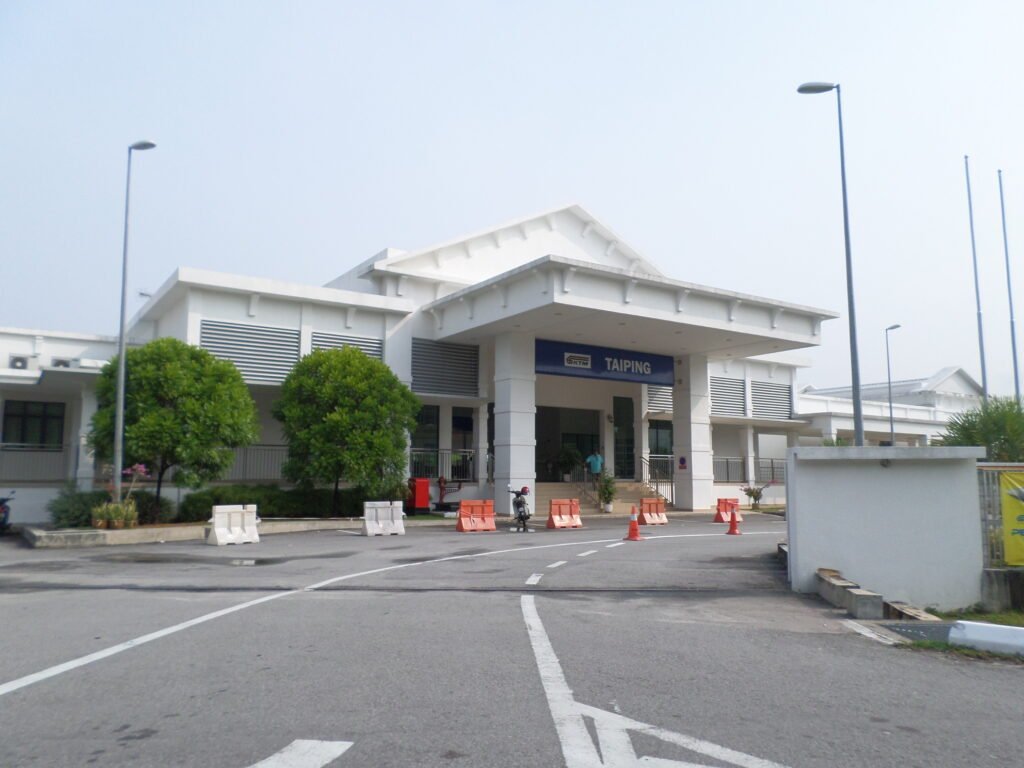 READ →: Sojourn Note — The Line That Ran Towards the Sea — 17 October 2026
The Line That Ran Towards the Sea
那条开往海边的铁路
Taiping's first railway was built for tin, not sightseeing. Its vanished route still tells us what moved the town.
太平最早的铁路不是为观光而建,而是为了运锡。铁轨消失了,留下的却是这座城如何运转的故事。
There is a railway station in Taiping today, and there is the railway station in Taiping's history. They are not quite the same story. A visitor stepping off a modern train arrives in a town whose earliest railway did not aim for another big city. It headed west, towards a small port and the sea.
On 1 June 1885, the Taiping–Port Weld line opened. Port Weld is the place we now call Kuala Sepetang. The track was roughly thirteen kilometres long. Its principal job was to carry tin ore from the Larut mining district to the coastal port. History remembers the locomotive. Someone had first to dig the tin, load it, maintain the equipment and handle what arrived at the other end.
The Museum Volunteers' historical account describes a line that also carried passengers, workers and mangrove timber. It was not just an industrial conveyor belt. Picture the timetable as an economic map. The mine needed the port, the port needed people and supplies, and the people needed a way through the district. A short railway could tie together lives that were not short or simple at all.
Tourism Malaysia notes that the original Taiping station stood where King Edward VII Primary School is now. The railway to Port Weld eventually disappeared. The modern station and the old surviving railway heritage belong to different phases of Taiping's transport history. That distinction matters. Otherwise an old photograph of a station can quietly become the wrong station, in the wrong year, with nobody noticing.
The name Kuala Sepetang now brings other pictures to mind, including mangroves, fishing boats and charcoal kilns. The old rail story reminds us that places change trades and purposes. A port that once mattered to an export economy is not frozen in the year of a colonial map. People find other ways to make a living. Visitors sometimes arrive looking for history, while local life carries on without asking for a heritage label.
So perhaps the best way to think about the first railway is not as a trophy in a contest of 'firsts'. It was a practical connection between work inland and work by the water. The rails have gone, but the reason for laying them explains a good deal about the town. If you travel from Taiping towards Kuala Sepetang today, you are moving through a much longer story than thirteen kilometres.
Published 17 October 2026
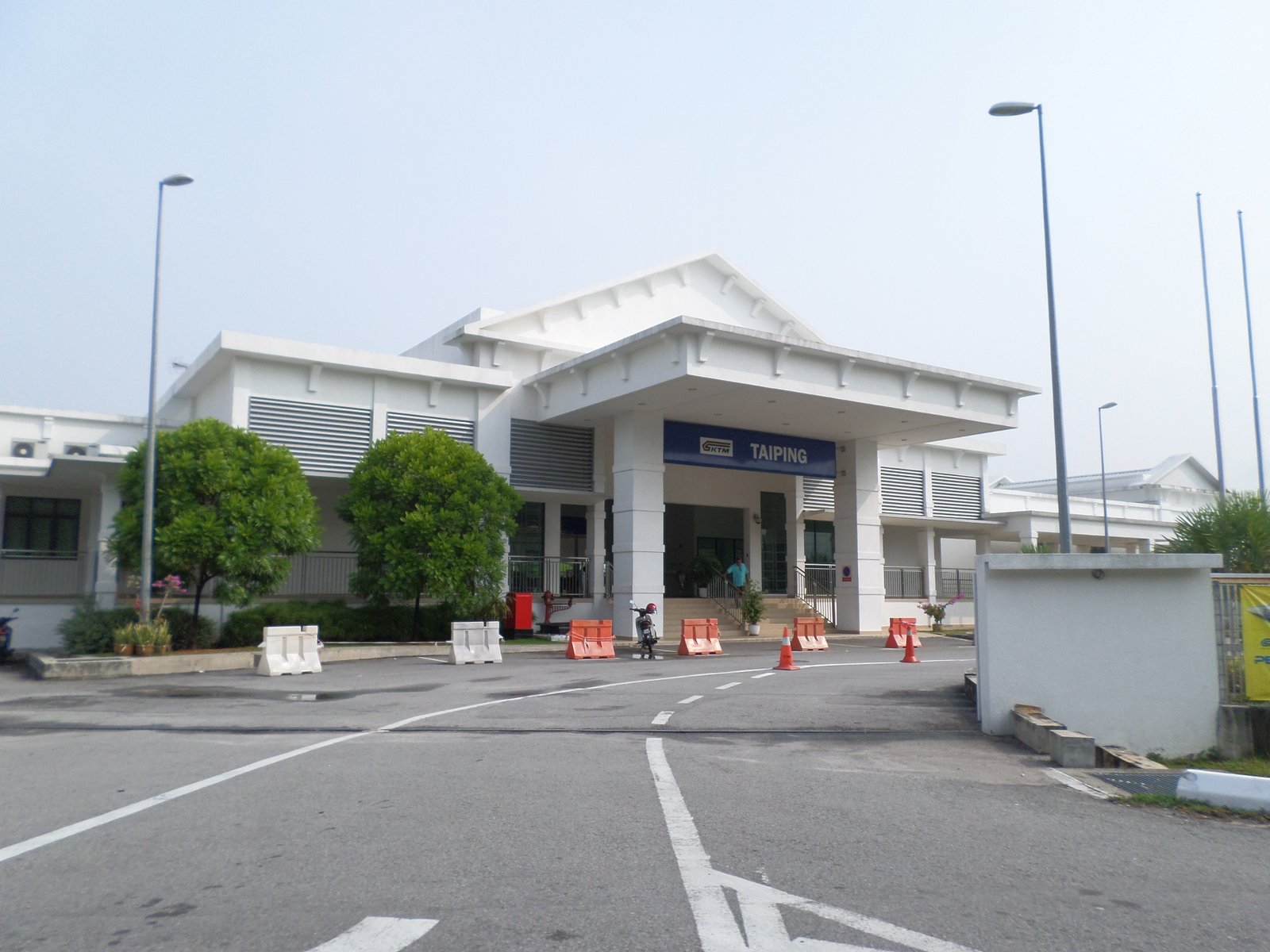
Taiping Railway Station. Sojourn website media library; photograph date not established. This is not a photograph of the original 1885 Port Weld line. Coming to Taiping to explore the town's railway history? You can see Sojourn's rooms or send an advance direct enquiry. Rooms and rates · Book Direct — advance enquiry
An advance direct enquiry is non-binding. It does not reserve, hold or guarantee a room until Sojourn confirms availability.
Sources and image credit
Tourism Malaysia — Taiping heritage trail and first railway station site · Museum Volunteers, JMM — railway opened 1885, Port Weld, labour and cargo · Perak district history — Taiping and Larut’s tin economy · Photo: Sojourn website media library (date and creator unverified).
-
 READ →: Sojourn Note — The Hill Refuses to Hurry — 16 October 2026
The Hill Refuses to Hurry
太平那座不赶时间的山
Bukit Larut has been a colonial retreat, a forest reserve and a reminder that not everyone experienced the old journey in the same way.
武吉拉律曾是殖民地避暑胜地,也是一片受保护的森林。当年的慢旅行,坐轿的人与抬轿的人,感受可不一样。
Stand in Taiping and look towards the hills. Bukit Larut, still called Maxwell Hill by many, seems to have all the time in the world. Down below, people have places to be. Up there, the weather does not consult anybody's diary.
According to Perak's district history, the hill station was opened in 1884. It became a cool retreat for British officials and European planters. A sentence like that can sound rather pleasant until we ask who got the retreat, and who helped them reach it.
Tourism Malaysia's account mentions ponies and sedan chairs as the old ways up the hill. The sedan chair is a fascinating object in a history book. From the carrier's end, it was work. Whenever we say travel used to be slower and more charming, it is worth remembering that not everyone was sitting down.
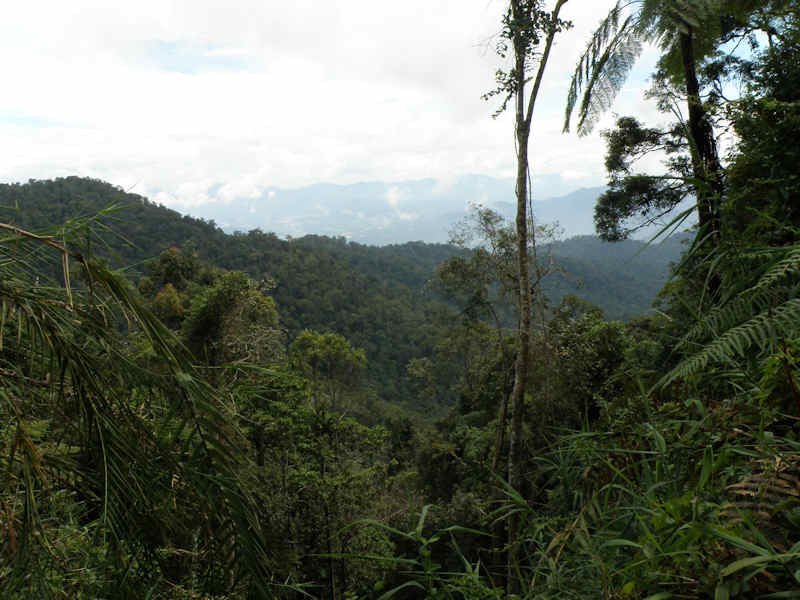
Then the story widens beyond the old bungalows. The surrounding forest was gazetted as a permanent forest reserve in 1910. Tourism Malaysia describes montane forest, birds and other wildlife here. These are not props in a photograph of colonial holidays. The hillside has a life quite independent of our nostalgia.
The road itself has been a reminder that hills do not always obey the brochure. A Taiping Municipal Council notice from September 2022 said the Land Rover service was suspended during slope-repair works. That notice is historical evidence, not proof of the service's status in October 2026. Anyone planning to go up should check current access directly with the council, rather than relying on an old itinerary copied around the internet.
The Forestry Department also lists Kaki Bukit Larut Forest Eco Park near the foot of the hill. It is a useful distinction. A walk near the foothill is not the same thing as reaching the summit, and a mountain does not become less interesting simply because we have not reached the highest point. Sometimes the most sensible travel plan is the one with fewer promises.
From an old colonial retreat to a protected forest above an ordinary working town, Bukit Larut has carried several histories at once. One of them belongs to people who wanted to escape the heat. Another belongs to those who did the carrying. The hill does not need to choose between their stories. It only asks us not to confuse the view from the chair with the view from underneath it.
Published 16 October 2026
Bukit Larut forest, photographed by Hanumann on 19 December 2009. Wikimedia Commons, CC BY 2.0. This is a forest scene, not a photograph of historic sedan-chair travel. If your Taiping visit starts at the foot of the hill, you can see Sojourn's rooms or send a direct advance enquiry. Rooms and rates · Book Direct — advance enquiry
An advance direct enquiry is non-binding. It does not reserve, hold or guarantee a room until Sojourn confirms availability.
Sources and image credit
Pejabat Daerah dan Tanah Taiping — local history and Bukit Larut in 1884 · Tourism Malaysia — Bukit Larut, former hill transport, 1910 forest reserve · Taiping Municipal Council — September 2022 Land Rover closure notice (not current 2026 access confirmation) · Forestry Department — Kaki Bukit Larut Forest Eco Park · Photo by Hanumann (2009), CC BY 2.0 · photo licence
← Previous← Sebelumnya← 上一篇← 上一篇Next →Seterusnya →下一篇 →下一篇 →
-
 READ →: Sojourn Note — Postcard No. 170, Taiping — 15 October 2026
Postcard No. 170, Taiping
太平第170号明信片
An old postcard marked “Park & Residency, Taiping” offers a small, unusually precise window onto the town.
一张印着“Park & Residency, Taiping”的旧明信片,让人看见百多年前太平的一角。
The postcard is numbered 170. In the photograph a grassy rise runs towards a group of trees, with hills behind and a roof almost swallowed by the greenery. That is Taiping according to the caption, not an anonymous country landscape we have conveniently decided to call Taiping. The archive traces the card to publisher A. Kaulfuss of Penang and the Leiden University Library’s KITLV collection, number 1405763. Its recorded date is a range, 1890 to 1930. Nobody should turn that into “photographed in 1900” merely because a round number looks tidier.
The scene is labelled “Park & Residency”, not “Taiping Lake Gardens”. That distinction matters. We can enjoy the old view without pretending to have located the exact camera position. Taiping has enough genuine history; there is no need to manufacture another piece of it with a confident caption. The little card shows how an earlier publisher chose to introduce the town to a distant reader. Not with a hotel room, a breakfast buffet or a map of parking bays, but with trees and a hill.
There is another Taiping story nearby in time, though not necessarily in the same frame. Tourism Malaysia records that the Lake Gardens became the country’s first public recreation park in 1884, on land that had once been a tin-mining site. Think about that change of use. A place from which people had extracted something was turned into a place where the public could simply go. It is an oddly substantial piece of local history to encounter during what looks like an ordinary stroll.
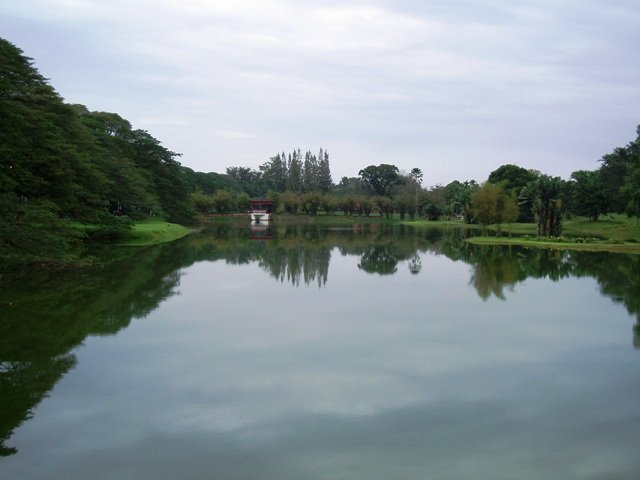
The second photograph here shows the Lake Gardens in a much later era. It was taken in 2007, and released into the public domain by its photographer, Johnwxh30. The views do not match and are not intended as a scientific before-and-after comparison. One is a historic postcard of Park and Residency, the other a photograph of the Lake Gardens many decades later. Together they allow a visitor to compare what people chose to photograph, rather than claim the same tree has been standing in precisely the same place.
An overseas traveller can now study a scene from Taiping’s past before walking into the actual town. There are roads to cross, shopfronts to read, everyday errands to watch, and a fair chance the sky will change its mind about the weather. Those details make a visit different from a postcard. A postcard is very good at keeping a hill in place. It has never had to find shelter when the rain starts.
If you look for the old postcard’s exact viewpoint, treat it as a question rather than a treasure hunt with a promised answer. The archive provides a title and a broad date range, not a set of GPS coordinates. A little curiosity is welcome in Taiping. So are comfortable shoes. You may need the latter long before you solve the former.
Published 15 October 2026
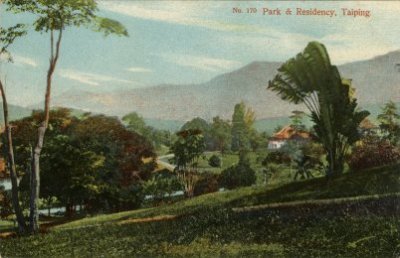
Historical postcard No. 170, “Park & Residency, Taiping”, dated by the archive to 1890–1930 (exact year unknown). Publisher A. Kaulfuss; Leiden University Library/KITLV 1405763; public domain. This is not identified as the present-day Lake Gardens viewpoint. Taiping Lake Gardens photographed in 2007 by Johnwxh30, Wikimedia Commons, public domain. Different viewpoint from the historic postcard; not an exact before-and-after reconstruction. Coming to Taiping to look beyond the postcards? See Sojourn’s rooms or send an advance enquiry. Rooms and rates · Book Direct — advance enquiry
An advance direct enquiry is non-binding. It does not reserve, hold or guarantee any room until Sojourn confirms availability.
Sources and photograph provenance
Leiden University Library / KITLV 1405763 — 1890–1930 historic postcard, public domain · Tourism Malaysia — Taiping Lake Gardens and 1884 tin-mine history · Wikimedia Commons — Johnwxh30, Taiping Lake Gardens 2007, public domain
← Previous← Sebelumnya← 上一篇← 上一篇Next →Seterusnya →下一篇 →下一篇 →
-
 READ →: Sojourn Note — Before the Cycling Jerseys — 14 October 2026
Before the Cycling Jerseys
以前的单车,没有号码布
A bicycle on a wall, a heritage ride in Taiping, and the small errands two wheels used to handle without a medal.
墙上的旧单车,太平十月的骑行活動,还有那些从前不用奖牌也能完成的小事。
There is a cycling event coming to Taiping on 25 October. Jerseys, race numbers and medals make it sound like a rather organised business. Before anyone thought of putting an entry number on a bicycle, though, the machine had more ordinary work. It took people to school, to the shops, to another street, or home with a bag of vegetables. No registration was needed. The main administrative requirement was enough air in the tyres.
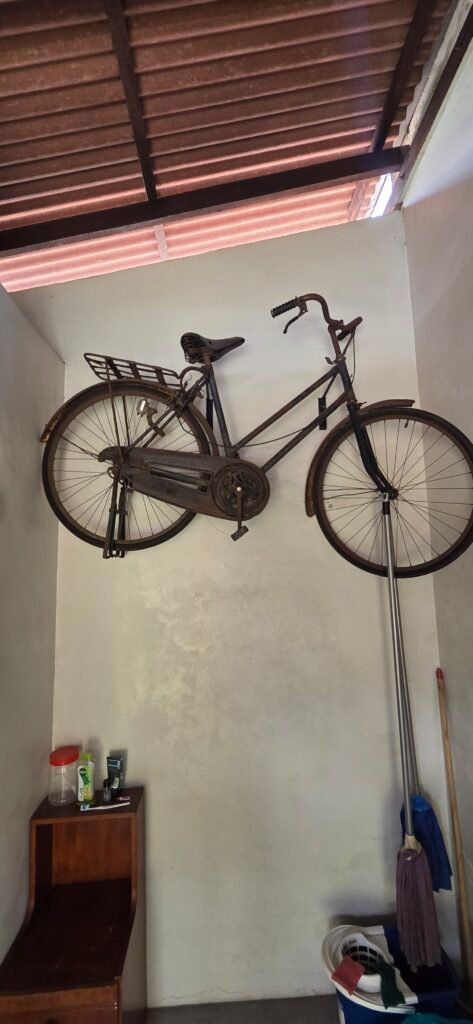
A vintage bicycle hangs on a wall at Sojourn. It no longer carries anyone and has become part of the room's scenery. An object somehow acquires romance once it is hung up. The person who rode a bicycle to get things done probably cared less about its character than whether the chain would stay on and the brakes would work. Dust on a retired bicycle can be called patina. Dust on one that is still being used generally means somebody ought to wash it.
A familiar rider learns more than the names of roads. There is the shady stretch, the junction where traffic requires attention, the slope that feels steeper on the way home. None of that is an invitation to cycle carelessly on a modern road. Traffic is different now. Helmets, visibility and the rules of the road matter. Nostalgia is a poor excuse for coming home with a broken arm, particularly when all you went out for was a photograph.
The Heritage Ride Taiping 2026 is listed for Sunday, 25 October at Dataran Warisan. Tourism Malaysia names Kelab Berbasikal Elit as organiser. Published coverage describes competitive distances alongside a shorter recreational ride. That is a different purpose for a bicycle, and there is room for it. Some riders are interested in a time or distance. Others want to go somewhere with friends. Anyone travelling for the event should still check the organiser's latest route, access and registration information rather than assuming an earlier poster is final.
You need not own a cycling jersey to find an event like this interesting. There will be people adjusting saddles, looking for glasses and attempting a group photograph before anyone has moved a metre. Watching can be enjoyable, provided spectators keep out of riders' paths and do not treat every empty piece of road as a parking space. While the riders think about the start, people working nearby may already have begun a much earlier morning.
That old bicycle on the wall has no computer recording its speed. This does not make it superior to a modern bicycle. Better brakes, lights and equipment are useful improvements, not an insult to history. Still, the old machine looks quite content in its retirement. If somebody forgets to pump the tyres before setting out on 25 October, even the finest medal will not help.
Published 14 October 2026
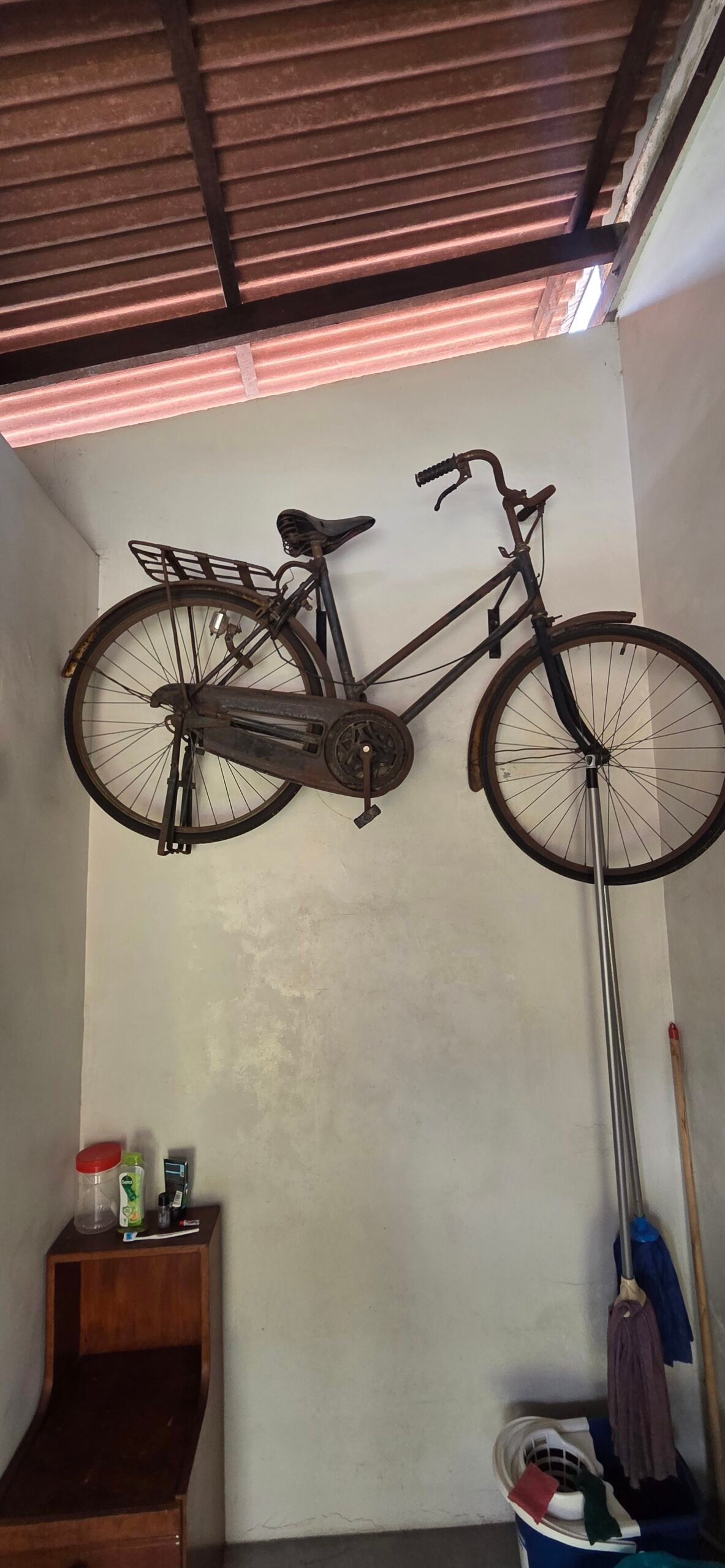
A heritage bicycle mounted inside Sojourn Beds & Cafe, Taiping. Sojourn-owned photograph; not a photograph of Heritage Ride 2026. If Taiping is part of your October trip, you can look at Sojourn's rooms or send us an advance enquiry. Rooms and rates · Direct advance enquiry
A direct enquiry is non-binding. No room or date is reserved, held or guaranteed until Sojourn checks availability and confirms.
Sources and photograph
Tourism Malaysia — The Heritage Ride Taiping 2026, 25 October, venue and organiser · Utusan Malaysia (30 July 2026) — reported ride categories and visitor context · Sojourn media library — original indoor bicycle photograph
← Previous← Sebelumnya← 上一篇← 上一篇Next →Seterusnya →下一篇 →下一篇 →
-
 READ →: Sojourn Note — The Extra Word in a Coffee Order — 13 October 2026
The Extra Word in a Coffee Order
点咖啡,多说一个字
In Taiping, a small addition to a coffee order can change the whole cup.
在太平点咖啡,后面多说的那一个字,有时比“咖啡”两字还重要。
Listen to a coffee order in a Malaysian town and it can sound wonderfully economical. Someone says kopi O, someone else adds kosong, and a third asks for kurang manis. None is delivering a speech. Yet the few extra words decide whether milk or sugar finds its way into the glass. Visitors who understand the word coffee may still discover that the rest of the sentence matters more.
In the familiar kopitiam shorthand, kopi O is black coffee, commonly sweetened, while kosong asks for no sugar. Kopi C usually points to evaporated milk rather than condensed milk. The details can vary between shops, so these words are a conversation, not a national technical standard. Still, it is quite an achievement that three letters and a Malay word can specify so much without a laminated menu.
Then comes the dangerous phrase, less sweet. It is not the same as unsweetened. One person means a little less syrup, another expects hardly any, and the person preparing the drink must make a judgement. A visitor who truly wants no sugar is better served by saying so plainly. It saves a polite but unnecessary argument with the first sip.
Taiping is a good town in which to hear these small negotiations. A coffee-shop table can collect different generations and several languages within the same breakfast hour. The words are practical before they are picturesque. Malay, English and the speech of Chinese communities have been borrowing from one another for a long time. Nobody at the counter needs to explain the linguistic history before sending the drink across.
There is a little courtesy hidden in the exchange as well. Say what you mean without making the person at the counter guess. If you would like ice, ask for it. If you need the drink without milk, mention that. When something arrives differently from what you expected, the explanation may be in the words used, not in anyone being careless. A short clarification usually works better than indignation.
The best test comes when the glass reaches the table. Perhaps the order was perfect, perhaps the sweetness requires another attempt tomorrow. Either way, the vocabulary came from people working things out over a counter, not from a textbook. And the person who asked for less sweet might still decide to have another piece of toast. Language can be precise. Breakfast is under no such obligation.
Published 13 October 2026
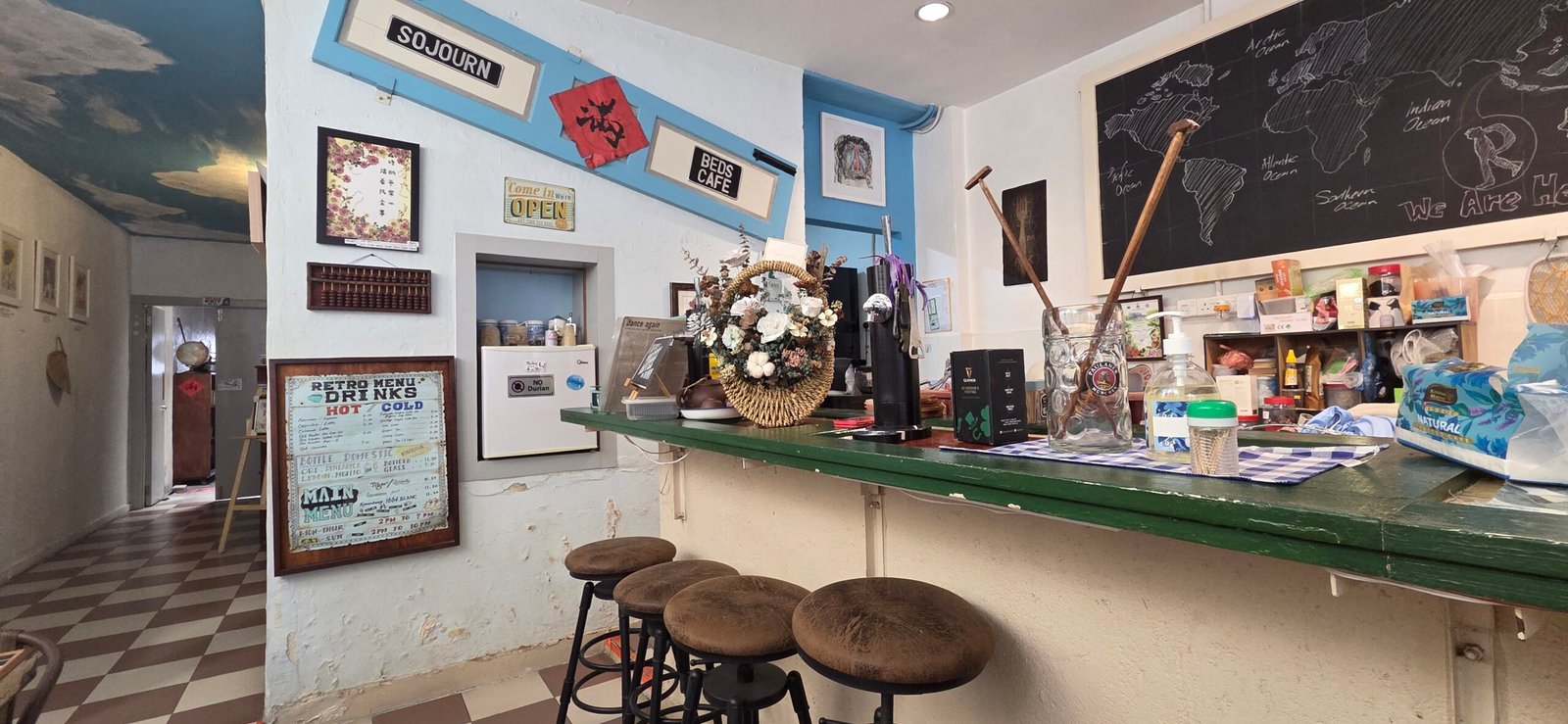
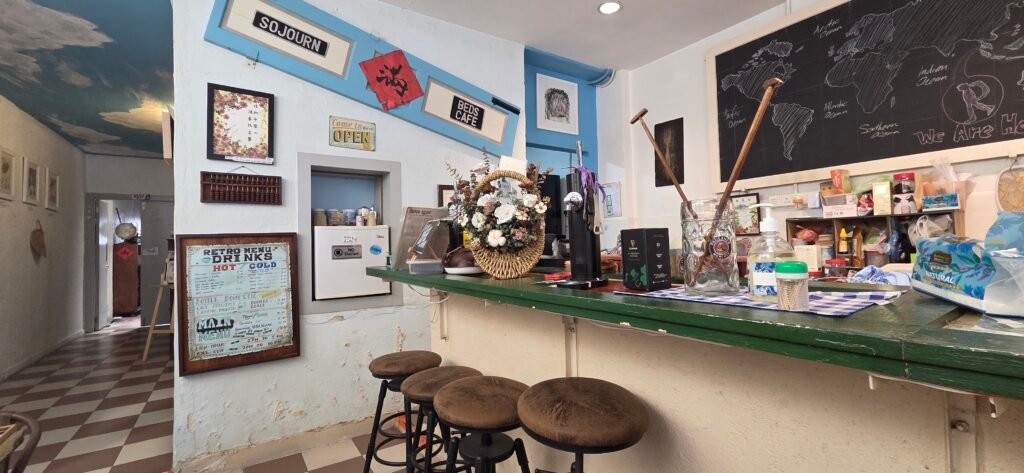
The café and reception counter at Sojourn in Taiping. Sojourn-owned photograph; no particular coffee order is depicted. If Taiping is on your itinerary, see the rooms at Sojourn or send a direct enquiry. Rooms and rates · Direct enquiry
A direct enquiry is non-binding. No room is reserved, held or guaranteed until Sojourn confirms availability.
Sources and photograph
Malaysia Unlocked guide to Malaysian kopitiam ordering terms; Food & Wine reporting on teh tarik and local drink culture; photograph from Sojourn media library.
Malaysia Unlocked — Kopitiam and mamak culture · Food & Wine — Teh tarik culture
← Previous← Sebelumnya← 上一篇← 上一篇Next →Seterusnya →下一篇 →下一篇 →
-
 READ →: Sojourn Note — The Shopfront Gets the Photograph — 12 October 2026
The Shopfront Gets the Photograph
拍照只拍店面,楼上怎么办
Old Taiping shophouses had shops below and living rooms above. A street photograph usually forgets the second half.
太平旧店屋楼下做生意,楼上过日子。街景照片常常忘了后面那一半。
The street photograph usually begins at eye level. There is a signboard, a doorway, perhaps a row of chairs under the five-foot way. Above them, a second storey quietly slips out of the frame. Taiping's old shophouses were not built simply to look handsome from the pavement. For many of their early occupants, the shop was downstairs and the home was upstairs. The building had to earn a living and accommodate one at the same time.
PLANMalaysia's account of Taiping describes two-storey shophouses built mainly between 1880 and 1940. Timber shutters, air vents and the familiar sheltered walkway were part of their character. These details were not all ornamental flourishes. Shade matters on a hot day; ventilation matters in a tropical town. A shutter has work to do even when no one is taking its photograph. Architectural history becomes more interesting when the building is allowed to be practical.
Think what a staircase does in that arrangement. A few steps separate the public business of selling from the private business of living. People could be keeping accounts downstairs while a household had its own concerns above. Meals, rest, children and visitors never fitted neatly inside the word 'heritage'. Nor did repairs to a leaking roof. Today's visitor can admire a façade without knowing anything about the obligations that came with the rooms behind it.
A University of Malaya study published in 2017 examined what gives Taiping shophouses their distinctive character. It considered both physical details and less tangible qualities, and found an intangible element especially important to the people surveyed. That is a useful warning against confusing preservation with fresh paint alone. A handsome front wall does not tell you whether the building can still be used, or whether the people who work there can afford to keep it in order.
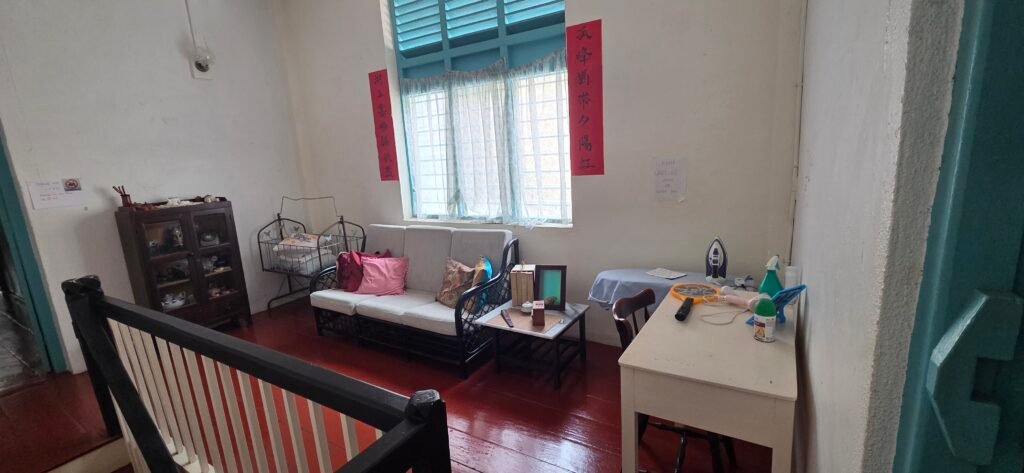
Old upper floors need not keep their original use forever. Some may become workspaces, guest rooms or places to sit, provided any change respects the structure, safety and the people using it. Others may remain private. At Sojourn, the upstairs shared lounge is simply a good reminder that a place has more than a ground-floor story. A chair by an upstairs window belongs to the life of a building, not merely to its photograph. Not every room needs to become a museum exhibit.
So when looking down one of Taiping's older streets, raise your eyes above the shop signs. Notice the windows and the rooms they suggest. They were part of an everyday arrangement that was complicated, economical and sometimes no doubt inconvenient. The shopfront will still get most of the photographs. The staircase is unlikely to complain.
Published 12 October 2026
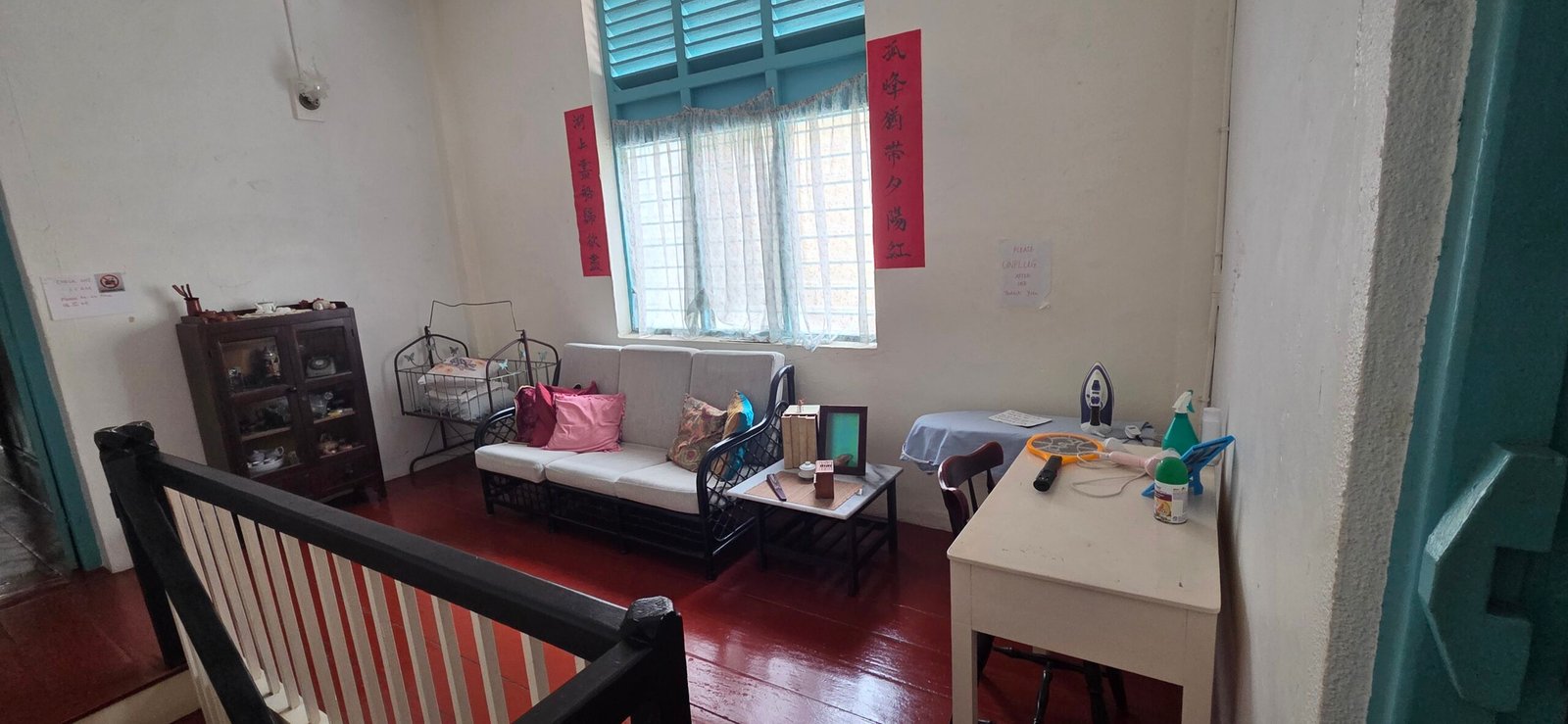
The upstairs lounge at Sojourn. Photograph from Sojourn media library. Planning a Taiping stay? See Sojourn rooms or send a direct enquiry.
A direct enquiry is non-binding. No room is reserved, held or guaranteed until Sojourn confirms availability.
Sources and photograph
PLANMalaysia Taiping: Life and Soul; University of Malaya 2017 Taiping shophouse research; Sojourn-owned upstairs photograph.
PLANMalaysia — Taiping: Life and Soul · University of Malaya shophouse study (2017)
← Previous← Sebelumnya← 上一篇← 上一篇Next →Seterusnya →下一篇 →下一篇 →
-
 READ →: Sojourn Note — Ask Someone Before Following the Blue Dot — 11 October 2026
Ask Someone Before Following the Blue Dot
先问人,再跟蓝点走
A hand-drawn map at Sojourn offers a reason to ask a local.
晓客栈墙上的手绘太平地图,给了一个开口问人的理由。
A phone can locate you in Taiping with astonishing confidence. Open a map and a blue dot appears, followed by a neat line that seems to have settled the afternoon. It knows the distance to the next junction. It is less good at explaining how long that distance feels under the midday sun, or what happens when Taiping's rain arrives.
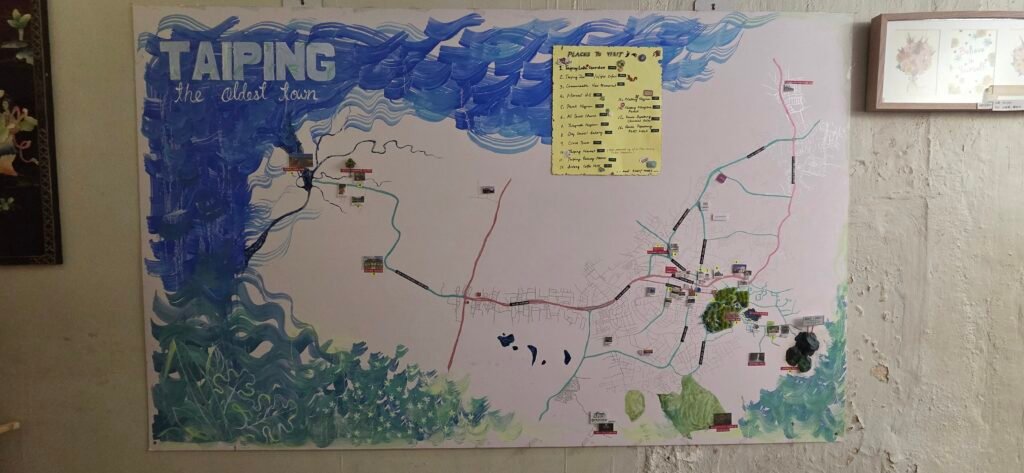
On a wall at Sojourn there is a hand-drawn map of Taiping. Its lines do not pretend to the precision of a satellite, which may be precisely its charm. A wall map gives someone an excuse to point at a place and ask another person a question. 'Can I walk there?' is only a few words longer than tapping Directions. The answer might contain something the blue dot has overlooked.
The word 'near' deserves particular care. Ten minutes by car is near. Ten minutes on foot may also be near, unless the sky opens halfway. Someone might explain a turn by mentioning an old shop rather than a road name. If the shop has moved, the directions need updating there and then. It is a remarkably low-cost system, though perhaps not always the most accurate one.
It helps to say whether you are walking or driving, travelling with children or older relatives, looking for food or merely somewhere to sit. A person can understand that in a sentence or two. A screen may need several menus. Of course, a local's memory is not an official timetable. Opening hours, access and road conditions still need checking before making a special journey.
Visitors sometimes try to fit the Lake Gardens, the old streets and three places to eat into a single outing. A navigation app is delighted to arrange it. The timings look excellent, almost as though people never get tired, stop to look at a shopfront or order another drink. Ask someone who knows the town and the recommendation may be to skip a stop. That can be more useful than shaving four minutes off the route.
The wall map stays where it is. Once you step outside, the phone is still handy and there is no reason to pretend otherwise. But the next time the blue dot seems to be circling the same corner, asking a person is a perfectly respectable option. Remember to mention whether you are on foot. In Taiping, that detail may determine whether 'just nearby' means one short walk or one extra cold drink.
Published 11 October 2026
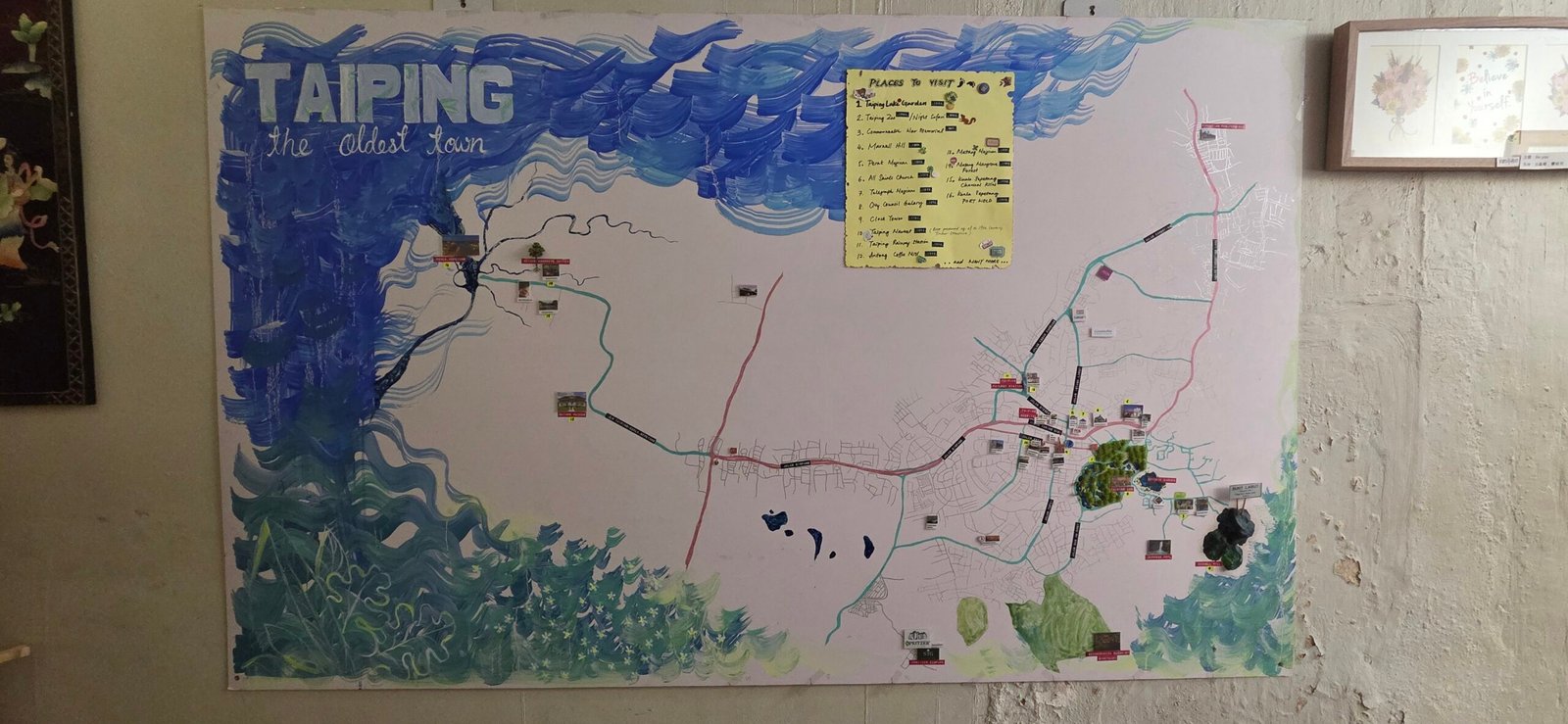
The hand-drawn Taiping map inside Sojourn. Photograph from Sojourn’s own media library. Planning to visit Taiping? See Sojourn's rooms or send a direct enquiry.Rooms at Sojourn · Direct enquiry
A direct enquiry is non-binding. It does not reserve, hold or guarantee a room until Sojourn confirms availability.
Source and photograph
Sojourn’s own hand-drawn Taiping wall map and photograph, held in the Sojourn media library.
← Previous← Sebelumnya← 上一篇← 上一篇Next →Seterusnya →下一篇 →下一篇 →
-
 READ →: Sojourn Note — Jalan Berek Is Still Open for Business — 10 October 2026
Jalan Berek Is Still Open for Business
Jalan Berek 还在营业
An old-town street can look finished in a photograph. The people trading along it have rather more to do.
老街拍起来像一张完成的照片,街上做生意的人却还有许多事要忙。
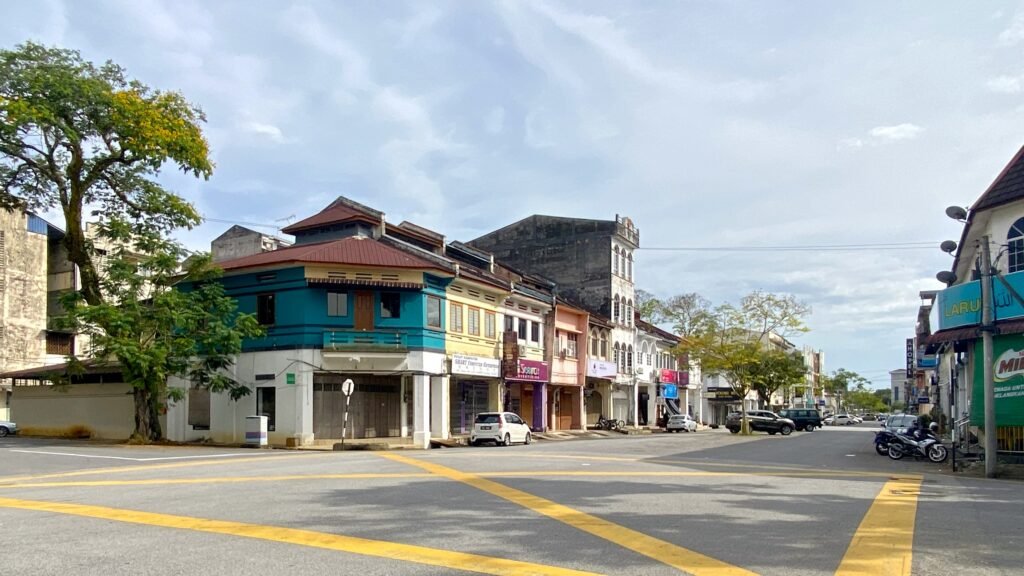
Photographing Jalan Berek is easy. Stand across the road, wait for a gap in traffic and frame the old shophouses. The troublesome part begins when the photograph is finished. These are not just façades arranged for visitors. A town still has to do its shopping behind them.
Jalan Berek, also known as Barrack Road, has been part of Taiping's commercial life for generations. Rows of narrow-fronted shophouses make a handsome street picture. Yet the doors matter more than the symmetry. A closed door gives a tourist an old building. An open one gives someone a place to work, buy something or ask a question.
In 2023, Taiping's municipal council promoted the Jalan Berek Cultural Trail, with traditional crafts, food, performances and small businesses among the attractions described in local coverage. It followed preservation efforts begun earlier. A festival can invite people to notice a street, but the ordinary shopkeeper must deal with the less photogenic days after the stalls have been packed away.
Another report described shade trees planted along Jalan Berek as part of the improvement effort. Trees are a wonderfully unceremonious form of heritage work. They do not explain who built the road, and nobody puts a ribbon around their shadows. They simply make a walk more bearable when the sun is doing its best to shorten it.
One address on Jalan Berek has a particularly long memory. Reporting in 2023 traced an 1884 townhouse to the former home and office of Kapitan China Chung Keng Quee, with its later owner seeking to conserve it. A home and an office under one roof feels less exotic when we remember how many people still conduct their lives around a shop counter. The difficulty is not imagining the old use. It is keeping an old building useful without sanding away everything that makes it interesting.
A heritage trail can tell visitors where to point the camera. It cannot tell them whether a trader has had enough customers this week, whether repairs are affordable or whether the younger generation wants the keys. Those decisions belong to people, not to the trail map. The polished version of a street leaves them outside the frame.
Go to Jalan Berek for the old buildings, by all means. Then notice the small practical things, the shelter of the walkway, the sign over a door, the person making room for another customer. Taiping's streets have plenty of history, but they also have today's receipts to settle. That part rarely comes printed on a souvenir postcard.
Published 10 October 2026
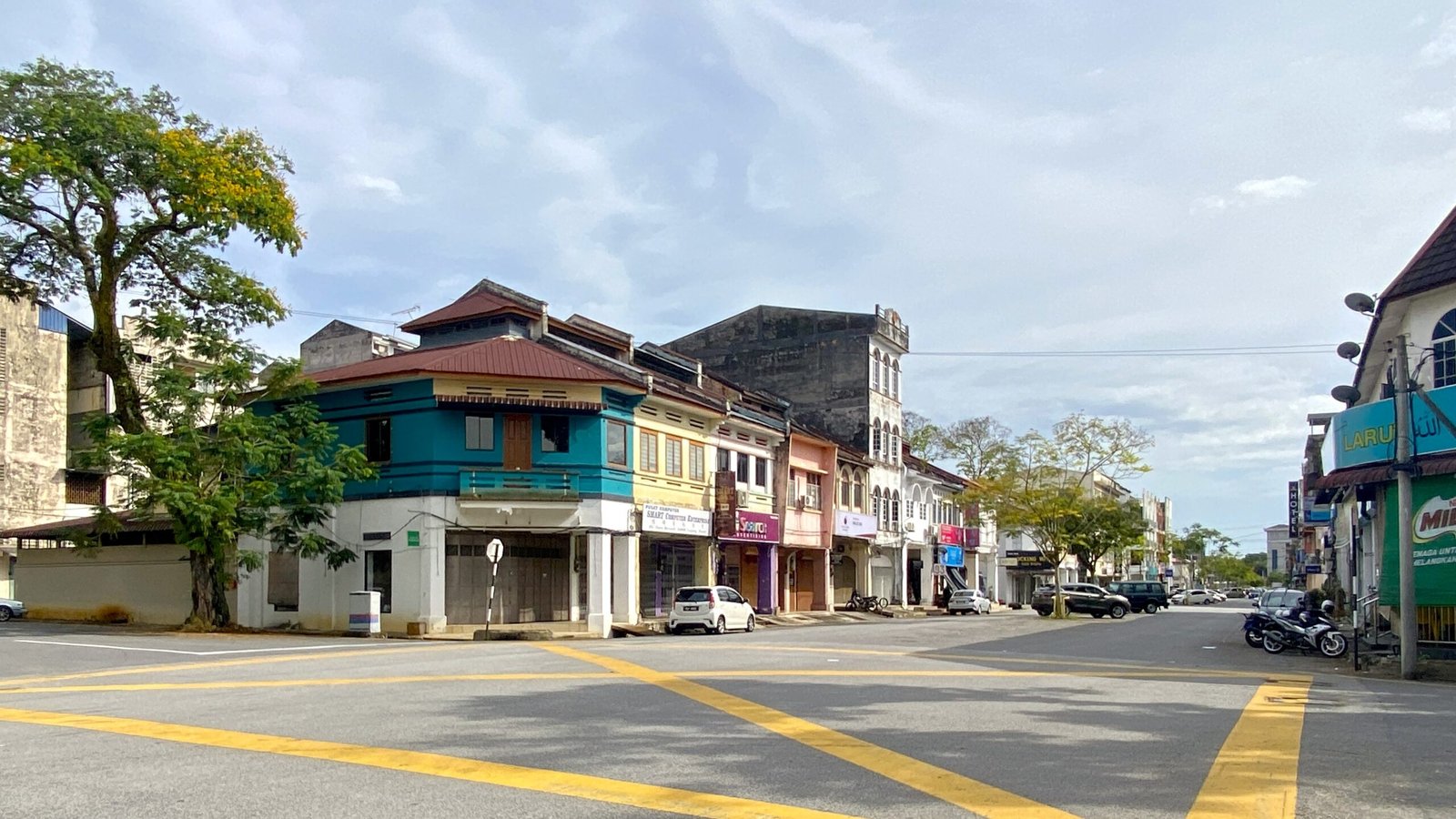
Jalan Barrack, Taiping old town. Image from the Sojourn media library. Rooms at Sojourn · Direct enquiry
A direct enquiry is non-binding. It does not reserve, hold or guarantee a room until Sojourn confirms availability.
Sources and image
- DagangNews — Jalan Berek cultural trail and traders, September 2023
- Local report, 12 September 2022 — shade-tree planting and preservation work in Jalan Berek
- Twentytwo13, 28 November 2023 — Chung Keng Quee’s former townhouse
← Previous← Sebelumnya← 上一篇← 上一篇Next →Seterusnya →下一篇 →下一篇 →
-
 READ →: Sojourn Note — What Taiping Was Collecting in 1883 — 9 October 2026
What Taiping Was Collecting in 1883
1883年,太平在收藏什么
Perak Museum began in 1883, long before a visitor could point a phone at its façade. Its first task was less glamorous and rather more difficult: deciding what deserved a label.
太平的霹靂博物馆始于1883年。那时还没有手机让旅人对着外墙拍照,馆方先得处理一件更麻烦的事,究竟什么东西值得贴上一张标签。
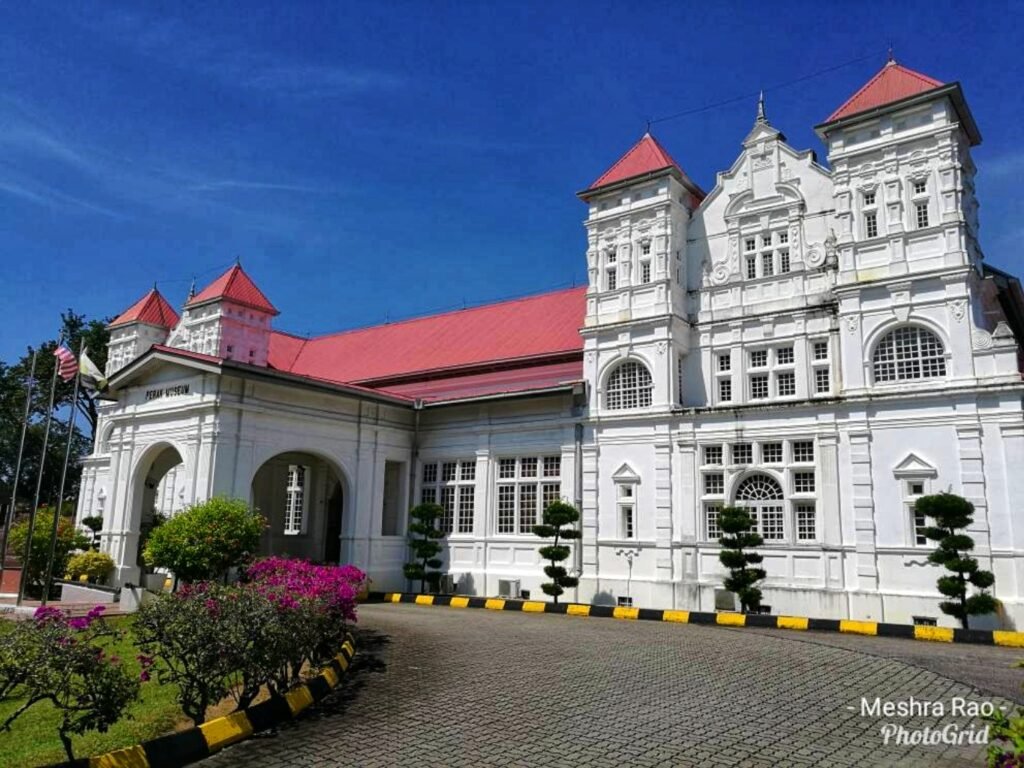
Outside, the museum looks like the sort of building a town would put on a postcard. The older part was built in 1883, although it was not put into use until 1886. That is worth distinguishing. Town histories have a habit of putting a single year beneath a photograph, while actual buildings take their time becoming ready for anything. A visitor can admire the porch without having to pretend that construction and opening happened on the same day.
The museum was established at the initiative of Hugh Low, the British Resident of Perak. Leonard Wray Jr., a botanist and geologist, was brought in to assemble early natural-history and ethnological collections. Notice the job description. This was not simply a matter of filling cabinets with attractive old things. Plants, stones, working objects and accounts of how people lived raised questions about names, uses, origins and what might disappear without a record.
Taiping was a town shaped by tin, trade and a very wet landscape. In one place a mineral could be treated as something to weigh and sell. In another it became a specimen to classify. A plant might be ordinary to somebody who met it every day and a puzzle to a person keeping scientific records. The object did not change merely because it crossed a desk. What changed was the question being asked of it.
A museum label can look wonderfully confident. There is a name, perhaps a place, a year, and just enough type to suggest that the matter is settled. Yet somebody had to check the spelling, separate one object from another and decide what belonged in the account. Such decisions are especially awkward when the people being described have their own names for things. A tidy label is often the end of a very untidy conversation.
The early museum also tells us something slightly uncomfortable about collecting. To preserve a thing is to select it. Everything left outside the register has no little card to speak on its behalf. That does not make the collection worthless. It means its gaps deserve attention too. Taiping has plenty of public dates and firsts; the harder part is hearing the everyday lives that do not fit neatly underneath a year.
The museum is still on Jalan Taming Sari and Jalan Muzium, its older façade looking considerably more composed than the history filed inside. Anyone visiting Taiping can stop to see it without turning the afternoon into an examination. Just allow the small print a turn. The building has been there for well over a century; it will probably tolerate another minute.
Published 9 October 2026
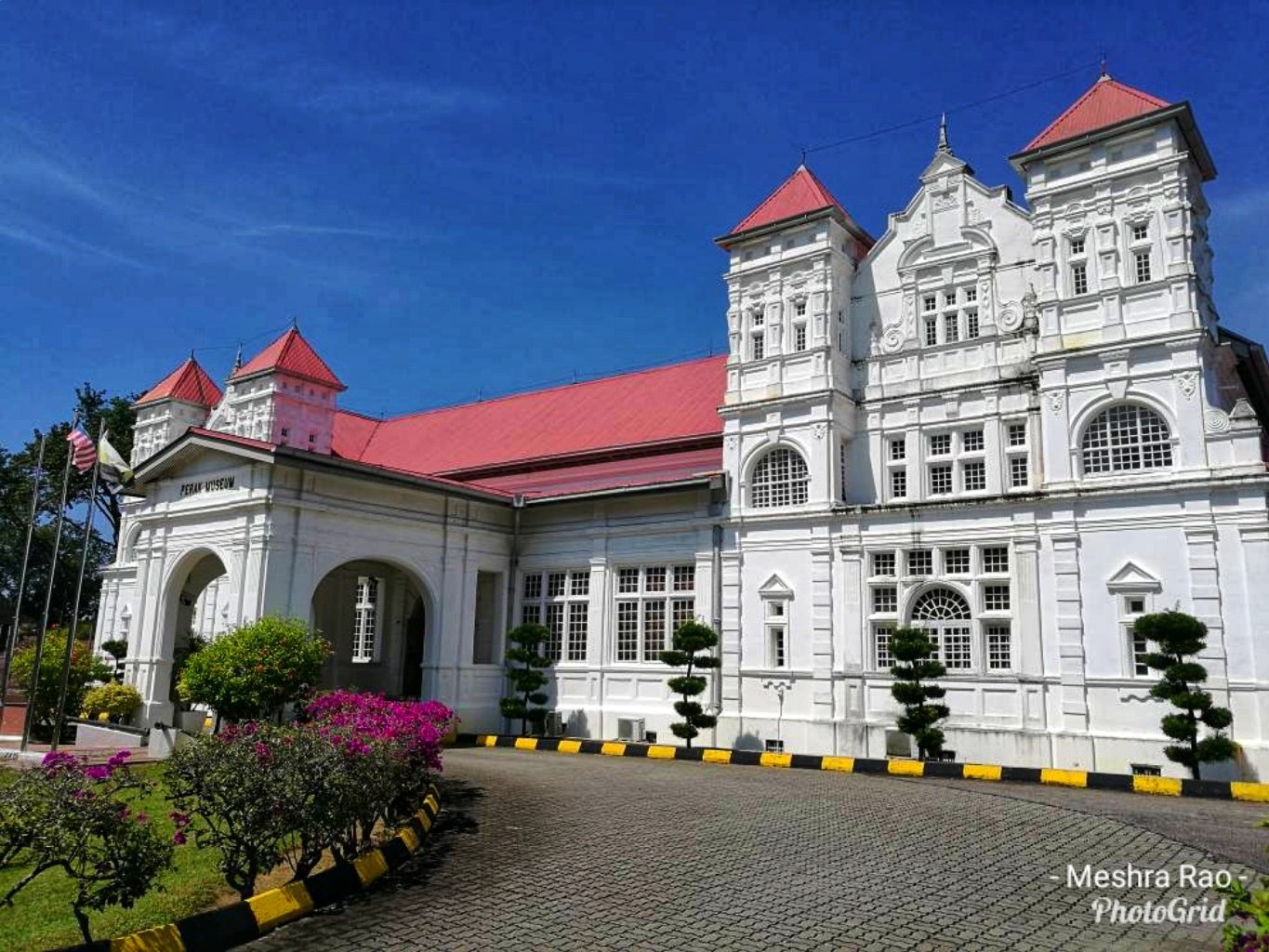
Perak Museum, Taiping. Photograph by Meshrarao, Wikimedia Commons, CC BY-SA 4.0. Rooms at Sojourn · Direct enquiry
A direct enquiry is non-binding. It does not reserve, hold or guarantee a room until Sojourn confirms availability.
Sources and image credit
- Jabatan Muzium Malaysia — Perak Museum history and early collections
- Department of National Heritage — building history, 1883 and occupation in 1886
- Wikimedia Commons — Muzium Perak.jpg, Meshrarao, CC BY-SA 4.0
← Previous← Sebelumnya← 上一篇← 上一篇Next →Seterusnya →下一篇 →下一篇 →
-
 READ →: Sojourn Note: Stay for the Last Runner — Taiping, 13 September 2026
Sojourn Note: Stay for the Last Runner
Some races are remembered for the winner. Trail races are also remembered for the person who is still moving when the town has already woken up.
This Sunday morning, Malaysia Ultra-Trail by UTMB reaches its final hours in Taiping. The official schedule lists a celebration of the last MY100 finisher at the Dataran Warisan finish arch from 10:00 to 11:00 AM, with the final MY100 cut-off at 11:00 AM. The overall prize-giving follows from 11:30 AM to 12:30 PM.
If you are in town this morning, consider staying a little longer at the finish. The front runners deserve applause, of course. But so do the people arriving after a night on the trail, after the crowds have thinned and after the easy photographs have already been taken.
There is something very Taiping about that kind of patience: no need for a grand gesture, just people waiting, clapping and making sure the last person home does not arrive to silence.
After that, Taiping will slowly return to its usual Sunday rhythm — coffee shops, old streets, rain trees and an unhurried morning. That contrast is part of the charm.
Published: 13 September 2026, Taiping.
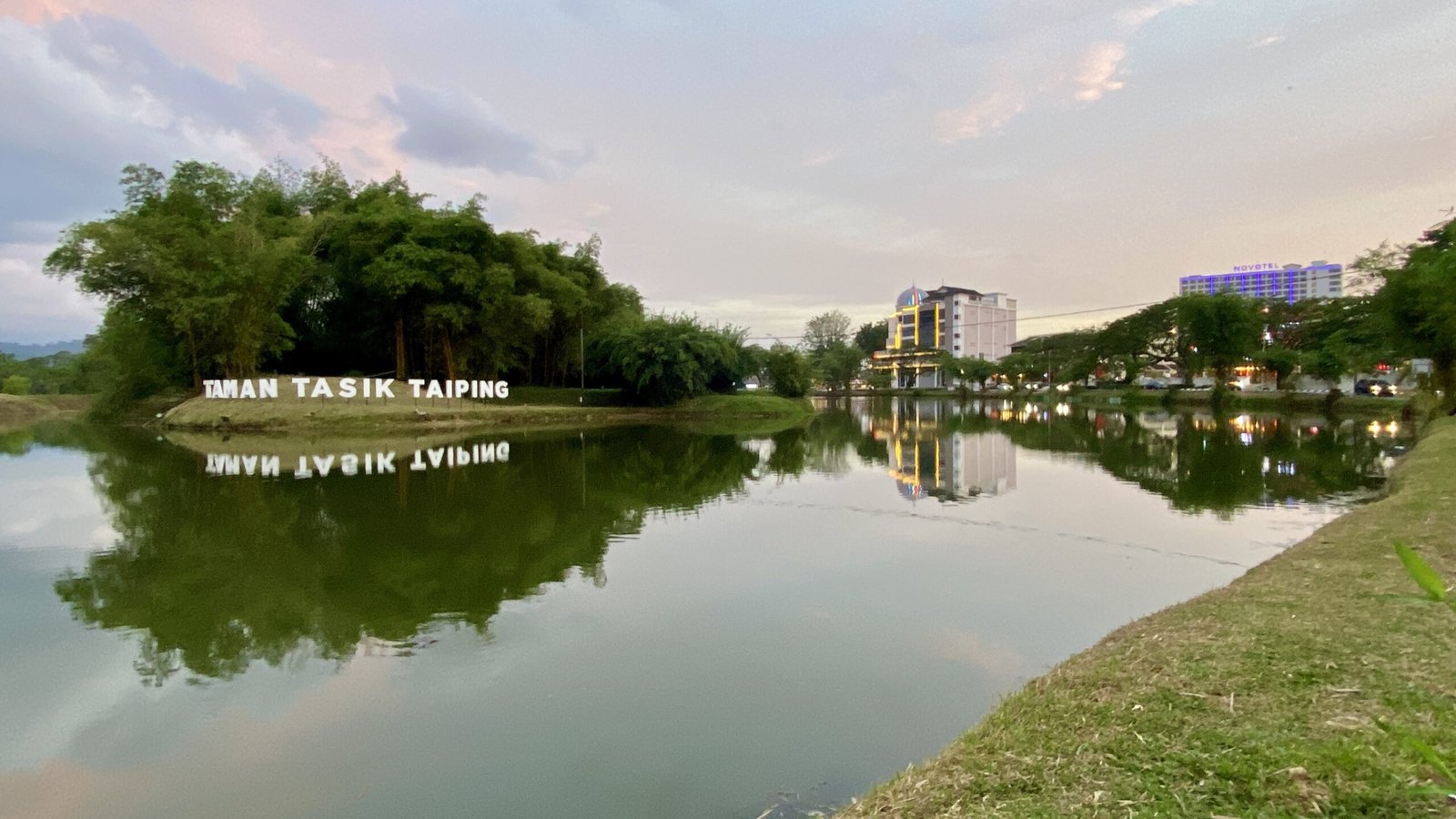
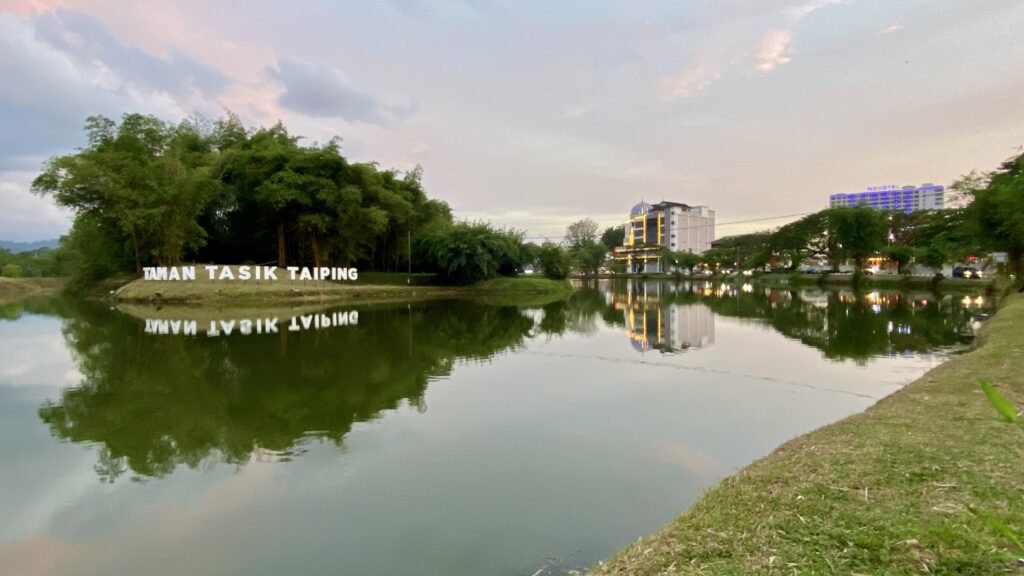
Taiping Lake Gardens at dusk. Photo: Slleong, CC0, via Wikimedia Commons. Contextual Taiping photograph; not a photograph of the race. Source
-
READ →: Sojourn Note: The Morning After the Trail — Taiping, 14 September 2026
Sojourn Note: The Morning After the Trail
Yesterday, Taiping was still counting runners home. This morning, the barriers come down, the crowds thin out, and the old town begins to sound like itself again.
Malaysia Ultra-Trail by UTMB officially ran from 11 to 13 September, with the last MY100 finisher celebration scheduled yesterday morning at Dataran Warisan. For a few days, familiar streets became a start line, a finish line and a meeting place for people from elsewhere.
But Taiping does not need a race to be worth slowing down for. When the banners are gone, there are still the rain trees, kopitiams, old shophouses and that particular Taiping habit of never appearing to be in too much of a hurry.
Perhaps that is the better souvenir: come for an event, but remember the town after the event has gone.
Published: 14 September 2026, Taiping.
Taiping Lake Gardens. Photo: Slleong, CC0, via Wikimedia Commons. Staying in Taiping? See Sojourn’s rooms · Advance direct enquiry
An advance enquiry is non-binding and does not reserve, hold or guarantee a room until Sojourn confirms it.
Source
-
 READ →: Sojourn Note: What Travellers Leave in a Guestbook — Taiping, 15 September 2026
What Travellers Leave in a Guestbook
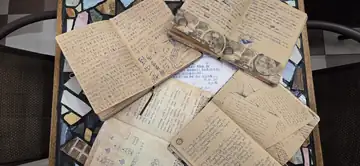
A guestbook is a quiet map of a guesthouse.
Not a map of rooms or streets, but of people: hurried signatures, careful drawings, a sentence in a language we do not speak, a place name from very far away. Some guests fill half a page. Some leave only three words.
On the eve of Malaysia Day, these mixed pages feel particularly at home in Taiping. Different handwriting, different journeys, one old house for a night or two.
Published: 15 September 2026
Pages from Sojourn’s guestbooks. Photo: Sojourn Beds & Cafe guestbook archive. Staying in Taiping? See Sojourn’s rooms · Advance direct enquiry
An advance enquiry is non-binding and does not reserve, hold or guarantee a room until Sojourn confirms it.
Source
Sojourn Beds & Cafe guestbook and photo archive; observation written 15 September 2026.
-
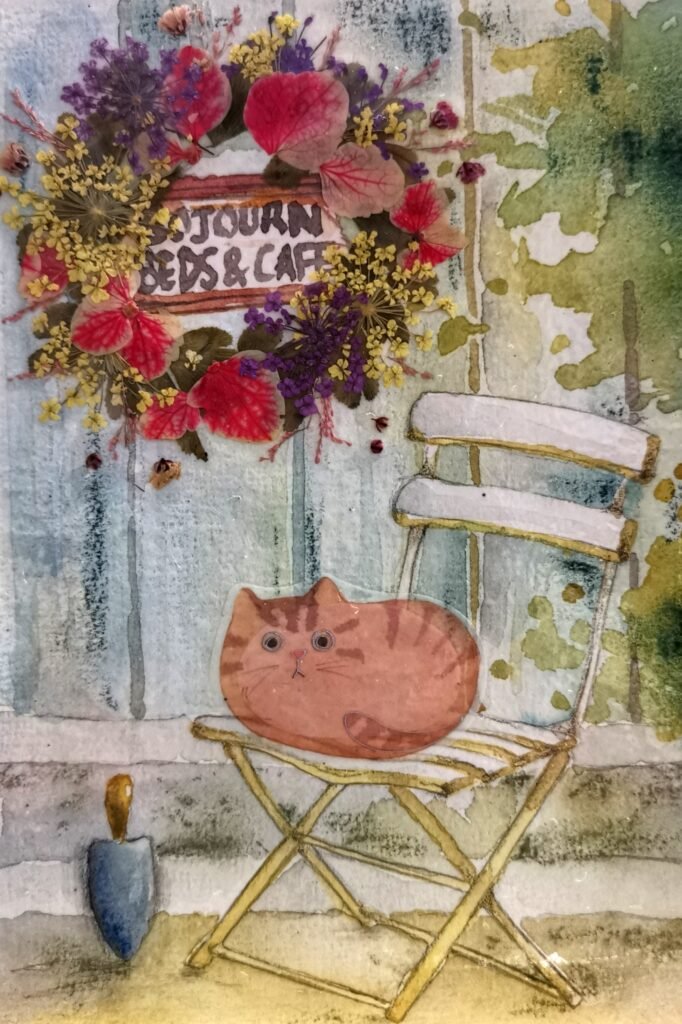 READ →: Sojourn Note: Malaysia Day in a Small Taiping House — 16 September 2026
Malaysia Day in a Small Taiping House
在太平一间小小老屋过马来西亚日
Some days make an old guesthouse feel like a very small version of the country.
有些日子,会让一间老旅宿像是这个国家的小小缩影。
On Malaysia Day, the thing we notice is not a flag or a programme. It is the ordinary mix inside the house: English, Bahasa Malaysia and Chinese on our signs and pages, then other accents and languages arriving with travellers at the same front door. Nobody plans that mixture. It simply happens. Perhaps that is the nicest part — an old Taiping shophouse, briefly shared by people whose journeys began somewhere else.
Published: 16 September 2026
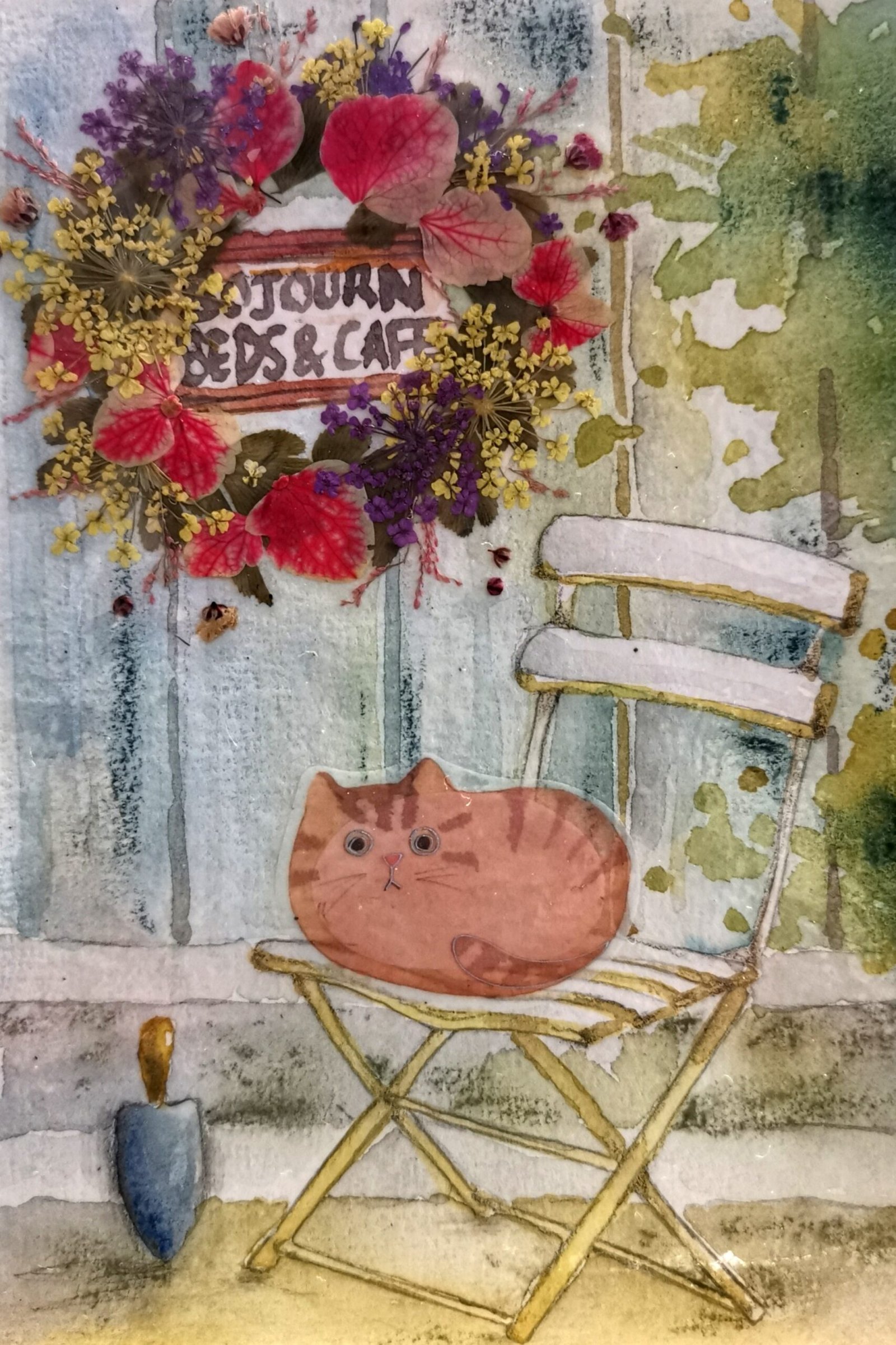
A piece of Sojourn’s heritage artwork inside the old Taiping house. Image: Sojourn Beds & Cafe collection. Staying in Taiping? See Sojourn’s rooms · Advance direct enquiry
An advance enquiry is non-binding and does not reserve, hold or guarantee a room until Sojourn confirms it.
Source
Sojourn Beds & Cafe house and image archive; observation written 16 September 2026. Malaysia Day date confirmed by the Taiping Municipal Council 2026 public-holiday list.
-
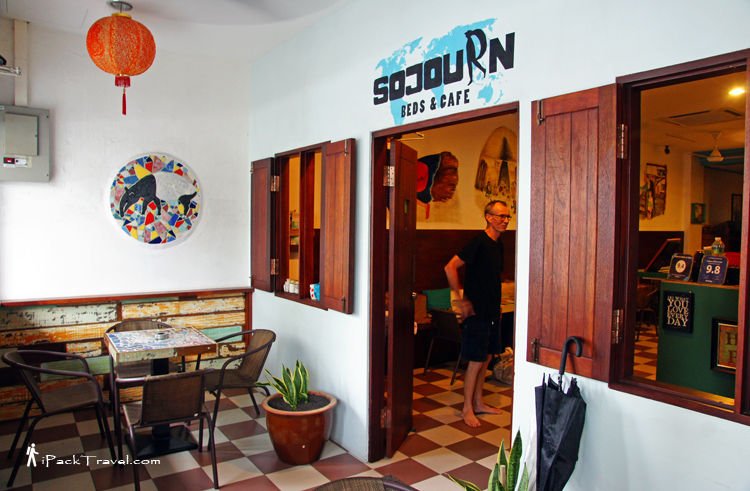 READ →: Sojourn Note: Before Taiping Wakes — 17 September 2026
Before Taiping Wakes
太平醒来之前
The quietest part of a guesthouse day happens before most of the old town has opened its shutters.
旅宿一天里最安静的时刻,往往在老城大部分店门还没打开之前。
At 54 Jalan Kota, some mornings begin with almost nothing happening. The front door is checked, a light comes on, cups are put back where they belong, and somebody leaves early for a bus, a train or a race. Outside, the street is still mostly itself — old shopfronts, a few engines, a little movement. A guesthouse has many versions of morning. The interesting one is often the first: those few quiet minutes when the house is awake, but Taiping is not quite awake yet.
Published: 17 September 2026
The front door on Jalan Kota, where some Taiping days begin before the street gets busy. Image: Sojourn Beds & Cafe collection. Staying in Taiping? See Sojourn’s rooms · Advance direct enquiry
An advance enquiry is non-binding and does not reserve, hold or guarantee a room until Sojourn confirms it.
Source
Sojourn Beds & Cafe house and image archive; staff observation written 17 September 2026.
-
 READ →: Sojourn Note: The Little Garden Between Arrivals — 18 September 2026
The Little Garden Between Arrivals
旅人来去之间的小花园
Not every useful part of a guesthouse is a bed. Sometimes it is the place where nobody has to be anywhere for a while.
旅宿里有用的地方,不一定是一张床;有时只是让人暂时不用赶去任何地方的一个角落。
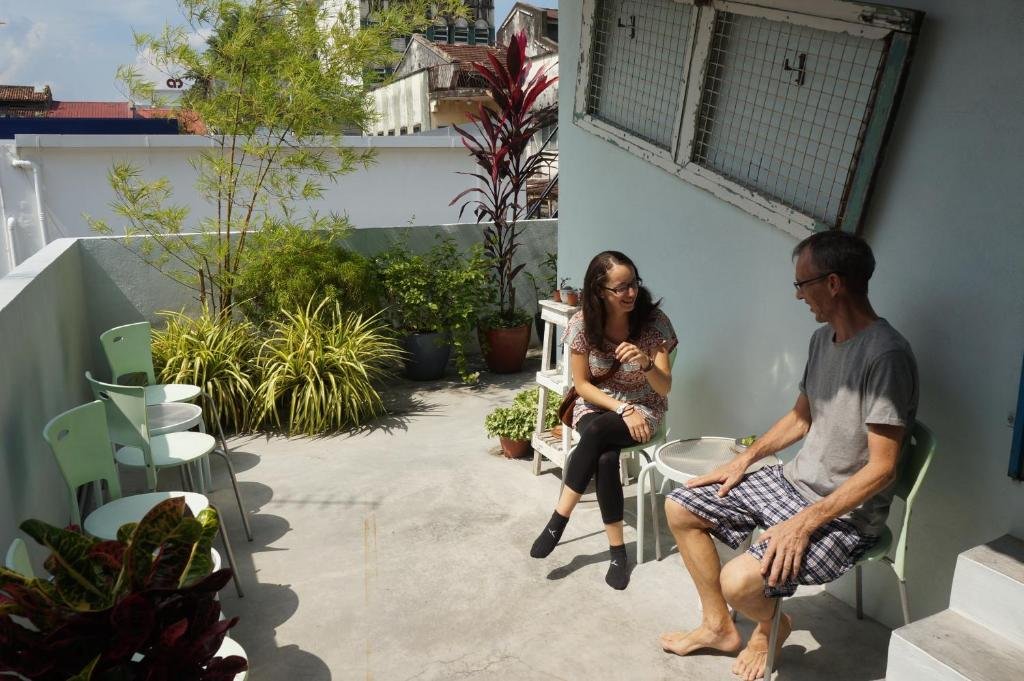
At Sojourn, the garden terrace is one of those in-between places. Someone waits there for laundry to dry. Someone else checks tomorrow’s train. A cup goes cold because a conversation lasts longer than expected. Old guesthouses are full of practical things — keys, beds, fans, timetables — but their character often lives in the unused minutes between plans. The small garden does not appear on an itinerary. That is partly the point.
Published: 18 September 2026
The garden terrace at Sojourn — a shared in-between space in the old Jalan Kota house. Image: Sojourn Beds & Cafe collection. 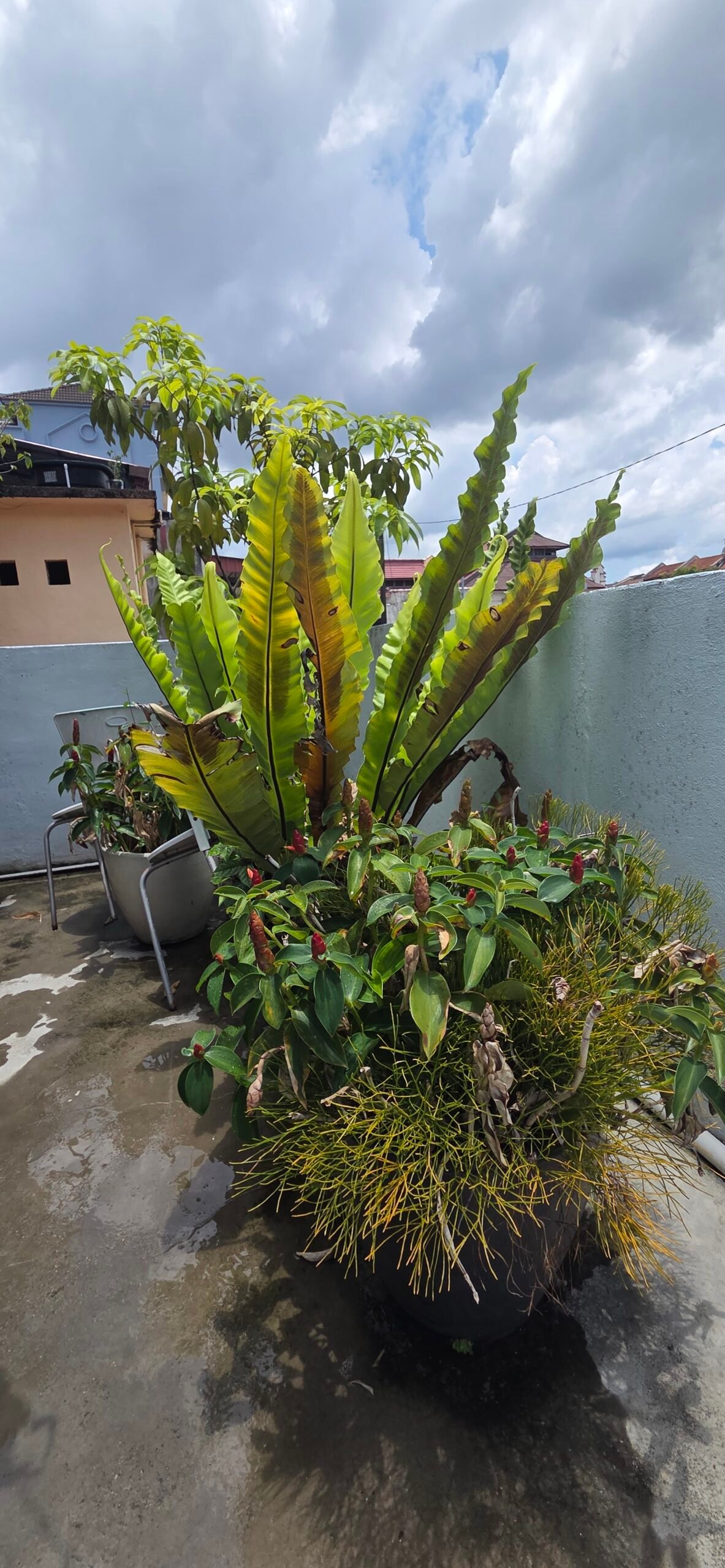
Terrace greenery, photographed at Sojourn on 5 September 2026. Image: Sojourn Beds & Cafe archive. More photographs of the house are in the Sojourn Photobook.
Staying in Taiping? See Sojourn’s rooms · Advance direct enquiry
An advance enquiry is non-binding and does not reserve, hold or guarantee a room until Sojourn confirms it.
Source
Sojourn Beds & Cafe house and image archive; staff observation written 18 September 2026.
-
 READ →: Sojourn Note — What a Small Room Is For — 19 September 2026
What a Small Room Is For
小房间真正需要做的事
A room is a strange thing. When booking, we compare size, bed width and facilities. Once the trip begins, the last thing we usually want is to spend the whole day inside it.
房间这东西很有趣。订房时,人总爱看它有多大、床多宽、设备多少。真正去旅行,最不想做的,却是整天留在房里。
Taiping makes this especially obvious. The lake is outside. The coffee shops are outside. The old streets are outside. When it rains, the five-foot way can be more interesting than a hotel lobby. When the rain stops, the trees pull you out again. A room that tries too hard to become the main attraction has probably missed the point.
Luxury usually works by addition. A bigger television, more lights, a thicker mattress. Comfortable travel often works by subtraction. Less noise, less trouble, fewer things that need an instruction manual. A place that simply does its job well is already worth something.
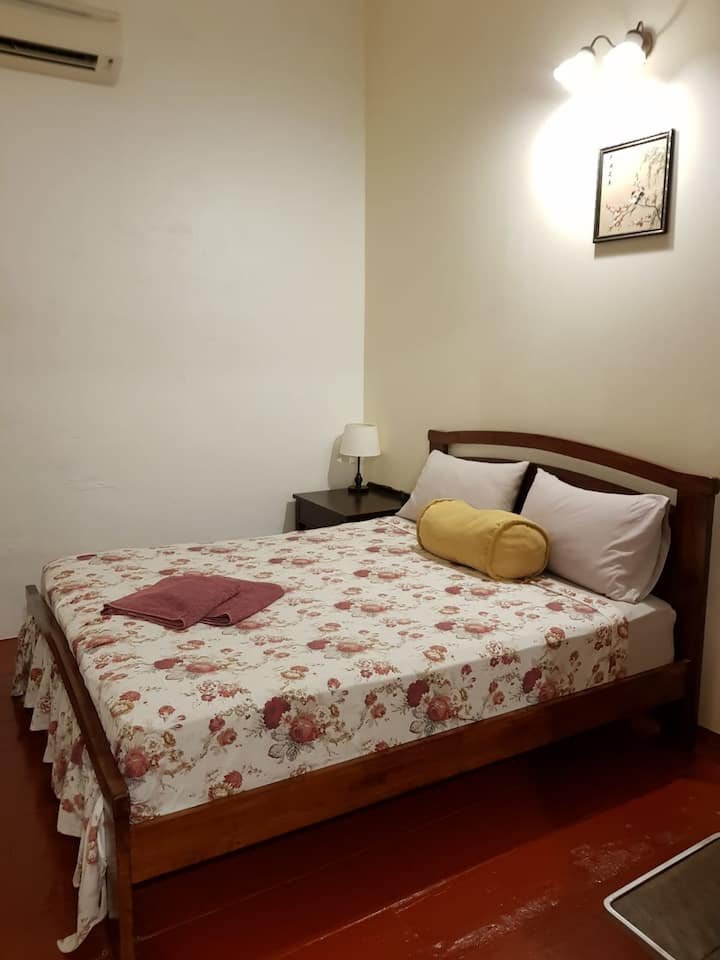
So I do not think a small room needs to apologise. A clean bed, a decent shower, air-conditioning that behaves itself, a proper lock and enough quiet at night are very practical things. Everything today is supposed to be an ‘experience’. Even one night in a room seems to need a concept. A good room may be better understood like a good pair of shoes. Once you put them on, you stop thinking about them.
The Tiger room is roughly that sort of room. There is not much to boast about, and there does not need to be. Put down the bag, take a shower, sleep properly, open the door the next morning — Taiping is still outside.
Rooms in an old house were never meant to look as square and calculated as a new hotel. The walls have their own age, and the windows were not placed for photographs. Measure everything only by floor area and you may miss the point. Part of the pleasure of an old house is not how much has been added, but how much has been allowed to remain.
What is worth remembering from a journey is usually not how many lights were in the room. It is what you ate, whom you met, which street you accidentally took, and perhaps the rain that was inconvenient at first but somehow ended up feeling very much like Taiping.
Published 19 September 2026 · Revised 19 September 2026
The Tiger Queen Room at Sojourn — a simple private room in the old Jalan Kota house. Image by Sojourn Beds & Cafe. Staying in Taiping? See Sojourn’s rooms · Direct enquiry
A direct enquiry is non-binding. It does not reserve, hold or guarantee a room until Sojourn confirms availability.
Source
Sojourn Beds & Cafe house and image archive. Observation written in Taiping on 19 September 2026.
-
READ →: Sojourn Note — When the Five-Foot Way Starts Working — 20 September 2026
When the Five-Foot Way Starts Working
下雨时,五脚基才开始上班
Some things on an old street receive no praise on a sunny day. The moment rain falls, everyone suddenly remembers what they are for. The five-foot way is one of them.
老街有些东西,晴天时没有人称赞。雨一落下来,大家忽然都知道它有什么用。五脚基就是其中一样。
Walk through old Taiping in good weather and the eye goes to shop signs, coffee, window frames and street corners. The five-foot way is merely the strip of shade underfoot. Then the rain thickens. A few feet of space that nobody noticed a minute earlier suddenly becomes some of the most valuable ground on the street. Phones disappear into pockets, people take two quick steps under the eaves, and the world temporarily narrows into one long covered corridor.
Good buildings often have this temperament. They do not make noise on an ordinary day. They do not explain themselves, and there is no sign announcing that this is design. When needed, they are simply there. Rain does not make an appointment, so shelter is better when it does not need an instruction manual either. If it lets someone walk from one shop to the next with slightly drier shoes, it has already done something useful.
Many new places prefer to make comfort obvious. The air-conditioning must be cold, the lights must be bright, and the chairs must look good in photographs. Comfort on an old street is quieter. A column may not be straight, the tiles may not be level, and the next shop may have pushed its boxes a little too far out. Yet when rain falls, everyone naturally chooses the same narrow route, and strangers make half a step of room for one another.
That half step is interesting. The best public space in a town does not always have to be large. Sometimes it is only a little space left in front of a building, temporarily shared by a delivery rider, someone buying coffee, a visitor and a person who simply does not want to get wet. Nobody is in charge and there is no admission ticket. As long as everyone understands not to block the whole path, it more or less works.
Taiping rain has a habit of making plans less punctual. That is not entirely bad. People who were walking quickly slow down. Someone heading straight for a destination notices one more shop. A place that was only being passed through gains a few extra minutes because everyone is waiting for the rain. Many details in an old town are probably only noticed this way.
So the five-foot way may be at its best when the weather is not. On a sunny day it is simply part of the building. In the rain it becomes useful again. Some of the best things in a town are like that. They do not demand attention when everything is easy. When they are genuinely needed, they are not missing.
Published 20 September 2026
A Taiping old-town street, where the covered five-foot way becomes especially useful when rain arrives. Image from the existing Sojourn media archive. Staying in Taiping? See Sojourn’s rooms · Direct enquiry
A direct enquiry is non-binding. It does not reserve, hold or guarantee a room until Sojourn confirms availability.
Source
Local observation in Taiping and the existing Sojourn old-town media archive, 20 September 2026.
← Previous← Sebelumnya← 上一篇← 上一篇Next →Seterusnya →下一篇 →下一篇 →
-
READ →: Sojourn Note — Five Minutes Before the Train — 21 September 2026
Five Minutes Before the Train
火车来前的五分钟
A railway station still asks for something modern travel tries hard to remove. A little waiting.
火车站仍然要求旅人做一件现代旅行很想消灭的事。等一等。
A railway station is one of the few places where time is displayed without apology. The clock is large. The departure time is exact. If the train is due at 9.17, 9.17 suddenly matters in a way that 9.17 almost never matters in ordinary life. People who are usually quite relaxed about five minutes become surprisingly respectful of them when a platform is involved.
Modern travel spends a great deal of effort trying to remove waiting. Check in online. Order before arriving. Track the car on a screen. Skip the queue. All sensible enough. Nobody wakes up hoping to spend more of the day standing around. Yet once every spare minute has been turned into something to eliminate, a journey begins to resemble a small logistics exercise. Efficient, certainly. Not always memorable.
Five minutes at a station are different. There is not enough time to begin anything important. That is useful. One looks at the platform, the roof, a bag leaning against a leg, somebody checking a ticket for the third time, perhaps a person staring down the track as though concentration might make the train appear sooner. Very little happens, which is precisely why the small things become visible.
A station also makes strangers temporarily share the same deadline. They may be heading to completely different places, but for a few minutes everyone has the same concern. Has it arrived. Is this the right platform. Do I still have the ticket. Then the train comes, the little community dissolves, and each person returns to a private destination.
The phone has made waiting less empty, of course. Any spare thirty seconds can be filled immediately. Messages, headlines, weather, another video. The useful thing about a station clock is that it sometimes wins. Look up because there are three minutes left and, for a moment, the screen is no longer the most urgent object in the room. A very old technology has successfully interrupted a very new one.
Perhaps that is enough. A journey does not need delays to acquire character, and nobody needs to romanticise a missed train. But five unclaimed minutes are not a disaster either. At a station, they are simply part of the fare. The train will arrive when it arrives. Until then, there is a platform, a clock, and nothing especially productive to do.
Published 21 September 2026
Taiping Railway Station. Image from the existing Sojourn media archive. Staying in Taiping? See Sojourn’s rooms · Direct enquiry
A direct enquiry is non-binding. It does not reserve, hold or guarantee a room until Sojourn confirms availability.
Source
Local observation on railway travel and the existing Sojourn Taiping Railway Station media archive, 21 September 2026.
← Previous← Sebelumnya← 上一篇← 上一篇Next →Seterusnya →下一篇 →下一篇 →